
Science Speaks: What causes a low vitamin D response?
On occasion we have participants who experience a lower than expected vitamin D level. In this blog we will explore possible causes of a low or slow to rise vitamin D response. 1. UVB...


On occasion we have participants who experience a lower than expected vitamin D level. In this blog we will explore possible causes of a low or slow to rise vitamin D response. 1. UVB...
Science Speaks: How much vitamin D do I need? We often receive questions about how much supplemental vitamin D someone should take. The key indicator of vitamin D status is the nutrient level in...

Given that we have longer lifespans, how can we live healthy until we die? Between 1900 and 2000 the average US lifespan has increased from 47 to 77 years. What if you wished for...

Vitamin D has helped me to walk, to sleep, to get off medication Tell us a little about yourself. My name is Zuleika Jamal. I am a 63-year-old woman living in the Metro DC...
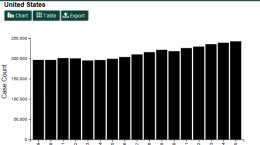
No! Source: CDC, US cancer statistics (choose United States, Female Breast) Breast cancer awareness month was started in 1985 with a goal of promoting mammography as the best weapon against breast cancer. Since that...

GrassrootsHealth promotes health change through research. There are many research articles which conclude that vitamin D levels above 60 ng/ml (150 nmol/L) may significantly reduce your chance of getting breast cancer. Read about some...

Vitamin D toxicity is a rare imbalance, usually caused by excessive vitamin D supplementation, that can lead to hypercalcemia (increased calcium in the blood), hyperphosphatemia (increased phosphate in the blood), and suppressed serum PTH...

Too much information It is hard to know what to do with nutrient related information these days. Is it correct? Would it help your health condition? With any nutrient, including vitamin D, you could...
History Try this experiment. Go to your medicine cabinet and pull out your vitamins. Read the small print. Do they make any health claims? For example, we have reported many times that vitamin D...
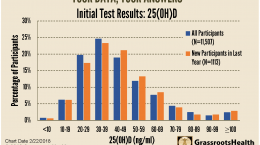
Our very first D*action test results came in just over 9 years ago, in January 2009. Over 11,500 individuals have now taken part in our “observational field trial” by sharing their vitamin D test...