


Every May is Sunshine Month! Take Advantage of This Knowledge Year-Round
Discover how safe, sensible sun exposure supports not only vitamin D production, but overall health and well-being. Here is our most recent Sunshine Month material…
May 2026 Featured 3 Special Sunshine Month Webinars
 Wed, 5/6: Sunlight as a Biological Signal for Health: A Balanced Approach
On Wednesday 5/6 at 11am PT was a special Sunshine Month Vitamin D Study Hour, when GrassrootsHealth hosted Dr. Alexander Wunsch as he discussed a differentiated, integrative perspective on sunlight as a biological signal – between regeneration, regulation, and overload.
Learn More & Watch the Recording Here
 Wed, 5/20: Vitamin D, Sunshine & Exercise – How do they work together?
On Wednesday 5/20 at 11am PT was a special Sunshine Month Vitamin D Study Hour, when GrassrootsHealth hosted Dr. Leigh Frame to learn about what the research says about the relationship between vitamin D and physical activity.
Learn More & Watch the Recording Here
 Wed, 5/27: Could Getting More Sunshine DECREASE Cancer Incidence?
On Wednesday 5/27 at 11am PT was a special Sunshine Month Vitamin D Study Hour, when GrassrootsHealth hosted Dr. Cedric Garland as he reviewed the research demonstrating the association between higher solar UVB with lower cancer death rates worldwide.
Learn More & Watch the Recording Here
Watch this short video for an introduction on the benefits of full spectrum sunshine exposure:
Start Your Sunshine Health Journey Today
 Sunlight is a fundamental part of human health. It is not only a source of warmth and light, but a powerful biological signal that helps regulate and support multiple systems throughout the body. During Sunshine Month, we invite you to take a thoughtful, informed approach to sunlight—one that emphasizes balance, personalization, and long-term well-being.
Rather than overwhelming you with information, we guide you through a simple, practical path forward.
Begin with three essential steps:
Step 1: Learn
Gain a deeper understanding of how sunlight supports your health—from vitamin D production to its effects on mood, sleep, and overall physiology.
Get the Sunshine eBook FREE when you Join Our Newsletter List
Step 2: Measure
Vitamin D deficiency can also indicate sunshine deficiency. Knowing your current vitamin D level allows you to make informed, individualized decisions, especially about optimizing sunshine exposure… and vitamin D!
Order a Home Vitamin D Test Kit
SUNSHINE MONTH BUNDLE! Get 2 Vitamin D test kits (one for now, one for after summer) plus the Sunshine eBook FREE for a special price of $130 (a value of $173). Offer ends June 1, 2026.
Step 3: Share Your Story
Translate knowledge into action by following a safe, personalized approach to sun exposure.
Share with others about how you implement safe sun exposure into your daily routine – Share Below!
2026 Featured Sunshine Month Blogs
Balancing Sun Safety with Vitamin D Production
Tips for safely utilizing sun exposure to produce vitamin D, how vitamin D made in your skin provides additional benefits beyond vitamin D supplements, plus several myths about sunshine and vitamin D
How Much Sun Is Right for You? It Starts With Your Skin Type
Maximize benefits and reduce harms of sun exposure by understanding your skin type and following evidence-based recommendations for an individualized approach to sun exposure and protection
Sunshine Month and Nurses Week Collide: Are Our Nurses Missing the Light?
Rethinking the Health Consequences of Indoor and Shift Work
Sunlight and Longevity: Many Are Missing the Bigger Picture
Avoiding the sun may prevent some skin cancer deaths, but at the cost of overall health and longevity
The Emerging Science of Full-Spectrum Sunlight and Human Health
The unique biological consequences of full spectrum sunshine, including UVB, UVA, Red, Near Infrared, Far Infrared, and Blue Light
Top Diseases Related to Sunshine Deficiency
A lack of sunshine exposure can lead to decreased health and an increased risk of many diseases, also known as “Sunshine Deficiency” diseases
Your Brain Needs Sunshine: The Powerful Connection Between Sun, Mood & Mental Health
From serotonin and endorphins to circadian rhythm regulation and emotional resilience, sunlight plays a far greater role in mental wellbeing than many people realize
Heart-Healthy Chemicals Your Body Makes in the Sun
How sunlight-triggered molecules such as nitric oxide and vitamin D can support blood pressure, circulation, and cardiovascular health
A Comprehensive Strategy for Safe, Intelligent Sunlight Exposure
Practical tips and skin-nourishing nutrients to help implement intelligent sunshine exposure into your regular routine
The Sun & Autoimmune Disease: Revisiting the Healing Power of Light
A New Look at an Ancient Therapy
To Fear or Not to Fear? The Complicated Relationship Between Skin Cancer, Sunscreen, and Vitamin D
A new randomized controlled trial confirms a dark side to regular sunscreen use, further complicating the relationship between sun exposure, sunscreen, skin cancer, and vitamin D
Tribute to the Late Marc Sorenson, EdD
Honoring the life and legacy of one of the most passionate and influential advocates for sensible sun exposure and vitamin D education
New Studies Featured in 2026
Gu et al. (2026)
“From a public health perspective, the most important question is not how sunlight affects one specific disease, but how it influences overall survival. Guidance to avoid sun exposure should be accompanied by an equally clear explanation of the potential health risks associated with too little sunlight.” Based on their calculations, the authors estimate that low UV exposure resulted in approximately 75 additional deaths for every 1 skin cancer death prevented.
Mei et al. (2026)
This study found that participants exposed to brighter daytime light experienced a 13% lower risk of developing gastrointestinal cancers and a 24% lower risk of dying from them compared to those with lower light exposure. The strongest associations were observed for pancreatic cancer, where higher daytime light exposure was linked to a 42% lower incidence risk and a 53% lower mortality risk. Spending at least 2.4 hours per day in brighter outdoor-type light (≥5000 lux) was associated with additional reductions in pancreatic cancer risk and mortality.
Tran et al. (2025)
This was the first randomized controlled trial specifically designed to examine the effect of routine use of modern high-SPF sunscreen (SPF 50+) on vitamin D status in real-world conditions. Participants assigned to daily SPF 50+ sunscreen use experienced significantly lower vitamin D levels compared to the control group. By the end of the study, vitamin D deficiency was considerably more common among routine sunscreen users (46% vs 37%). The authors concluded that regular sunscreen users, particularly those already at risk for low vitamin D, may need to monitor vitamin D levels and consider supplementation.
Tanaka and Matsubayashi (2025)
This study demonstrates a clear dose-response relationship: as sunlight exposure increases, suicide risk progressively decreases. It provides strong empirical evidence that diminished sunlight exposure significantly increases suicide risk, reinforcing the idea that environmental light is a key determinant of mental health. The results suggest public health interventions could consider environmental and seasonal factors in suicide prevention strategies.
A paper published in 2025 by Riedmann et al., based on a meeting of international experts reviewing current sunlight research in contrast to existing public health policy, concluded that regular, non-burning sun exposure likely supports cardiovascular health through several mechanisms beyond vitamin D production alone.
Neale et al. (2024)
“The balance of risks and benefits of sun exposure is not the same for everybody. For people at very high risk of skin cancer, the risks of exposure likely outweigh the benefits; sun protection is essential. Conversely, people with deeply pigmented skin are at low risk of skin cancer but at high risk of vitamin D deficiency; routine sun protection is not recommended. For those at intermediate risk of skin cancer, sun protection remains a priority, but individuals may obtain sufficient sun exposure to maintain adequate vitamin D status.”
Brennan et al. (2024)
The authors found that, while overall vitamin D levels did improve with increased calculated doses of UVB, the effect varied by ethnicity and age. While UVB dose was strongly associated with vitamin D levels among all ethnicities, it was the most important predictor of vitamin D level only among Whites, while vitamin D supplementation was the most important predictor among Asians and Blacks.
Lindqvist et al. (2016) Older but powerful…
“We found smokers in the highest sun exposure group were at a similar risk as non-smokers avoiding sun exposure, indicating avoidance of sun exposure to be a risk factor of the same magnitude as smoking.”
What Happens in Your Body When You Experience Sunlight
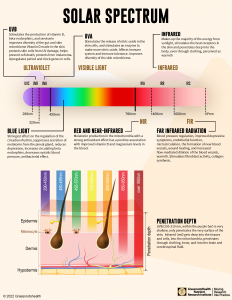 Sunlight initiates a cascade of biological responses that extend far beyond vitamin D. When your body is exposed to natural sunlight:
- Vitamin D can be synthesized, supporting immune function and overall health
- Nitric oxide is released, contributing to cardiovascular support
- Serotonin levels rise, positively influencing mood and mental well-being
- Melatonin rhythms are regulated, supporting restorative sleep
- Endorphins are released, enhancing a sense of well-being
These interconnected processes highlight that sunlight is not a single-function input, it is a whole-body regulator.
Beyond Vitamin D: A Whole-Body Perspective
While vitamin D is one of the most well-known outcomes of sun exposure, it represents only part of a broader physiological picture. Sunlight also contributes to:
- Circadian rhythm regulation, helping align your internal clock with the natural day-night cycle
- Brain and mental health, supporting emotional balance, clarity, and resilience
- Immune system function, reinforcing the body’s natural defenses
- Emerging microbiome interactions, with early research suggesting connections between light exposure and gut health
Understanding sunlight in this broader context allows for a more complete and accurate view of its role in human health.
Personalized Sun Exposure: The Most Important Step
There is no single recommendation that applies to everyone. Effective and safe sun exposure depends on individual factors. Key considerations include:
- Skin type and natural pigmentation
- Time of day and seasonal sun angle
- Geographic location and UV index
- Age and overall health status
- DO NOT BURN!
A personalized approach helps maximize benefits while minimizing risk.
Learn more in this short video:
A Balanced Perspective: The Risks of Sun Avoidance
Public health messaging has often emphasized sun avoidance. While protection from overexposure and burning is essential, complete avoidance may have unintended consequences. Limited sunlight exposure may:
- Contribute to low vitamin D levels
- Affect mood and mental well-being
- Disrupt natural sleep-wake cycles
- Influence overall physiological balance
The goal is not excessive exposure, but informed, moderate, and consistent sunlight. Always avoid burning.
A Simple Daily Sunshine Routine
Incorporating sunlight into your daily life does not require complexity. Small, consistent habits can make a meaningful difference.
Morning
Begin the day with natural light exposure to support circadian alignment
Midday (when appropriate)
Brief, sensible sun exposure to support vitamin D production
Afternoon
Outdoor activity to reinforce physical and mental well-being
Over time, these small actions contribute to a more stable and supportive health foundation.
When Natural Sunlight Is Limited
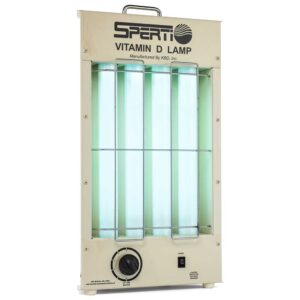 In certain seasons, climates, or lifestyles, access to adequate UVB exposure may be limited. In these situations, indoor devices such as the Sperti Vitamin D Light Box can offer a practical alternative. The Sperti UVB lamp is designed to help stimulate natural vitamin D production when sunlight is not sufficient. It may be particularly useful during winter months, in higher latitudes, or for individuals with limited outdoor exposure.
As part of Sunshine Month, participation in activities such as learning, engaging with content, and taking action steps may increase your opportunity to receive a Sperti Vitamin D Lamp (valued at $849) and two home vitamin D test kits, a total value of over $1000!
A Shared Effort Toward Better Health
Sunshine Month represents a collective effort to improve understanding of sunlight and its role in human health. You are invited to take part in this initiative:
- Sign up for the newsletter here to receive our Sunshine eBook for Free, plus ongoing updates and insights
- Follow on social media for educational content and daily guidance
- Engage with and share information to help expand awareness
- Share Your Story about how sunlight has improved your health and wellbeing here
Each action contributes not only to the Sunshine Month Giveaway, but also to your own well-being and a broader movement toward informed, balanced health practices.
With our FREE sunshine eBook, you will learn:
- the health benefits of sunshine
- what happens in our bodies when exposed to sunshine
- how and when to make vitamin D from sun exposure and how this is different from taking a supplement
- how to utilize sensible sun exposure to minimize the risks of sun exposure and maximize the benefits for skin and overall health
- and more…
Donate to Help Fight Sunshine Misinformation
How much would you like to donate?

My Gift
or send a check to
GrassrootsHealth
315 S. Coast Hwy 101
Suite U-87
Encinitas, CA 92024
Scientist Quotes: Geller et al., JAMA Dermatology (2018)
“A shift toward nuanced messaging, or “precision targeting,” has considerable potential.”
– HINT: this precision targeting includes measuring your vitamin D level!
“Sun protection strategies must reflect the understanding that human skin pigmentation evolved to balance the negative and positive effects of sun exposure…”
“New data from research in skin biology, cancer epidemiology, physiology, and skin pigmentation genetics are leading to a more nuanced understanding of the reactions of human skin to UVR. This information is making it possible to develop sun safety programs that emphasize assessment of individual risk based on ancestry, age, location, and lifestyle.”
“…although the harms associated with overexposure outweigh the benefits, the beneficial effects of UVR exposure should not be ignored in developing new sun safety guidelines.”
Vitamin D Status Can be an Indicator of Having Received Sufficient Sun Exposure
According to Australia’s 2023 position statement
“Avoiding the sun and using dietary sources and/or vitamin D supplements to meet vitamin D requirements may seem an attractive solution. However, exposure to UV radiation may have benefits independently of vitamin D, particularly for the immune system, with adequate vitamin D status being an indicator of having received sufficient sun exposure to obtain other benefits. Further, exposing the eyes to longer wavelengths in sunlight reduces the risk of myopia, influences circadian rhythm, and improves sleep and mood. Aside from the direct benefits of sunlight, spending time outdoors facilitates physical activity, which plays a vital role in maintaining health and well-being. Thus completely avoiding sun exposure is not optimal for health.”
The body is designed to produce vitamin D in the skin upon exposure to UVB radiation from sunshine. The vitamin D level is therefore often used as a measurement for adequate sun exposure, and especially for those who don’t supplement with vitamin D, a vitamin D deficiency can also indicate “sunshine deficiency.”
Take the First Step
Sunlight is one of the most accessible and impactful tools available for supporting health.
Begin today:
Start your sunshine routine
Know your vitamin D level
Take the first step toward better health through sensible sunlight