

Published on May 19, 2026

How sunlight-triggered molecules such as nitric oxide and vitamin D can support blood pressure, circulation, and cardiovascular health
Key Points
- Research shows that regular, non-burning sun exposure may support cardiovascular health by helping lower blood pressure and reducing the risk of heart disease and cardiovascular mortality.
- Sunlight triggers the production and release of both vitamin D and nitric oxide, two important signaling molecules involved in healthy circulation, blood vessel function, and metabolic health.
- Multiple studies have found that individuals with lower sun exposure habits have higher rates of hypertension, while greater UV exposure has been associated with lower cardiovascular and all-cause mortality.
- The goal is not to avoid the sun entirely, but to develop safe, balanced sun exposure habits that maximize health benefits while minimizing the risk of sunburn.
Are You Getting Enough Vitamin D? Check Now
Save ~25% with the Sunshine Month Bundle!
 Many studies have been published showing the relationship between increased sun exposure and improved health outcomes, as reviewed in our previous blog. Today we will focus specifically on what the research shows about how sunshine exposure relates to the risk for cardiovascular disease and mortality.
Research has shown that vitamin D (the Sunshine Vitamin) has a direct effect on vascular cells and plays a role in normalizing blood pressure, blood sugar, calcifications, and smooth muscle function. Cardiovascular diseases that have been associated with low vitamin D include hypertension, peripheral artery disease, congestive heart failure, and atrial fibrillation. However, vitamin D is not the only signaling molecule that can affect cardiovascular health and is released from the skin into circulation upon exposure to sunshine. In addition to vitamin D, produced by UVB light, the sun also emits UVA light, both of which initiate the production of nitric oxide.
Findings from a 2024 Meeting of Experts
A paper published in 2025 by Riedmann et al., based on a meeting of international experts reviewing current sunlight research in contrast to existing public health policy, concluded that regular, non-burning sun exposure likely supports cardiovascular health through several mechanisms beyond vitamin D production alone.
Some of the strongest findings presented are reviewed below, such as those published by Lindqvist et al., Stevenson et al., and Weller et al., each of which showed lower risk of cardiovascular diseases and death with higher UV exposure. The researchers emphasized nitric oxide release from the skin as a key vitamin D-independent mechanism. UVA and UVB exposure can mobilize nitric oxide compounds stored in the skin, promoting vasodilation and helping lower blood pressure. Because reductions in blood pressure are closely linked to lower risks of heart attack, stroke, and other cardiovascular events, this mechanism may help explain why sunlight exposure is repeatedly associated with lower cardiovascular mortality.
“High vitamin D levels, I think, are a marker for sunlight exposure, and sunlight exposure, in methods I’m going to show, is good for heart disease.”
– Dr. Richard Weller (see video below)
Sunshine Exposure Could Improve Hypertension
Hypertension is a leading underlying factor for all cardiovascular diseases and death. One large cohort study by Lindqvist et al. looked at data from 23,593 women and found that, compared to those with the greatest amount of sun exposure, women with low sun exposure habits had a 41% higher risk of hypertension, and women with moderate sun exposure habits had a 15% higher risk (p<0.001).
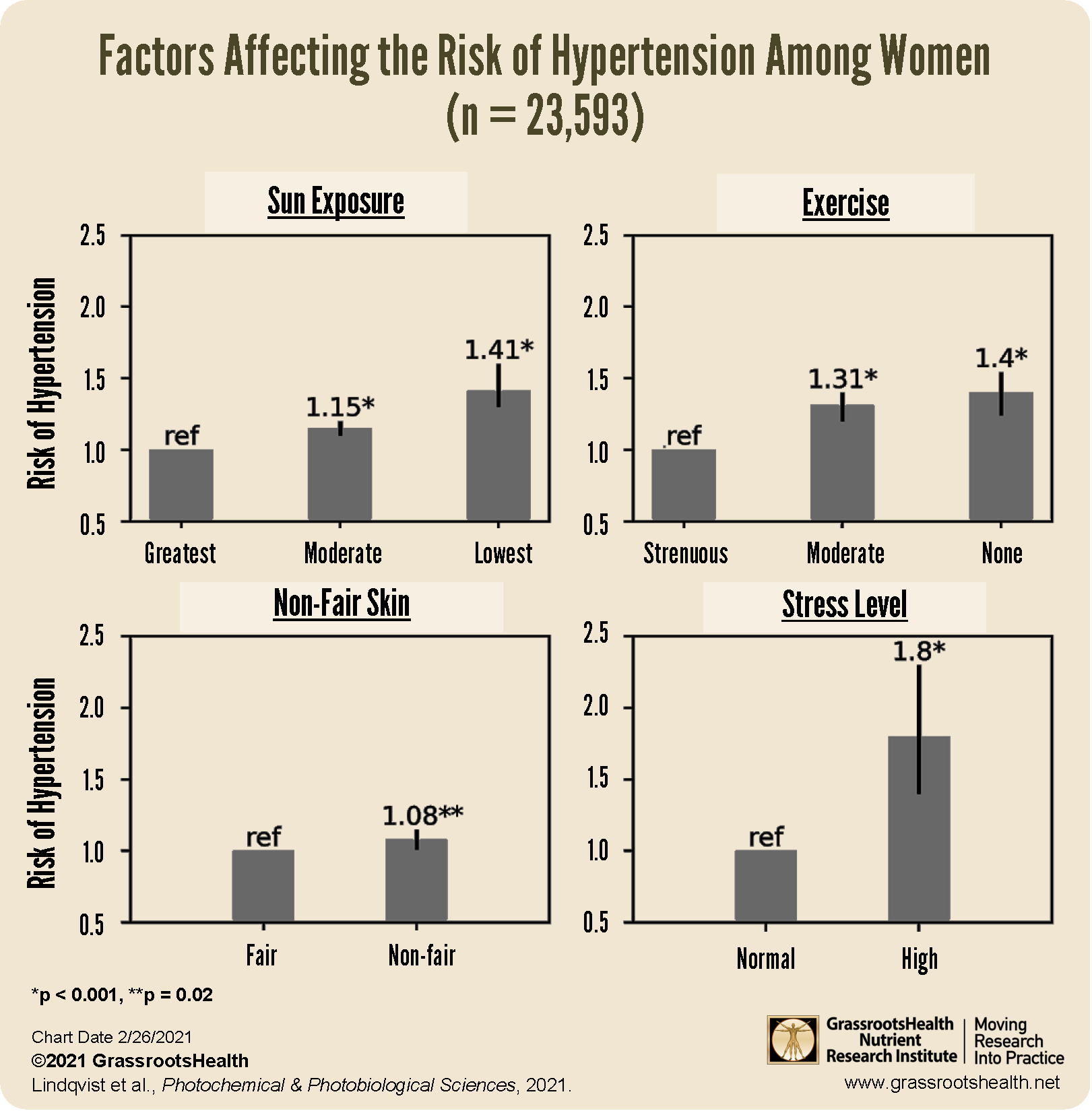
As illustrated in the chart above, additional findings from the study included an 80% increased risk of hypertension among women with chronic high stress (p<0.001), a 31% and 40% increased risk of hypertension among women who had moderate or no exercise compared to strenuous exercise (p<0.001), and an 8% increased risk among women who had non-fair skin (p=0.02).
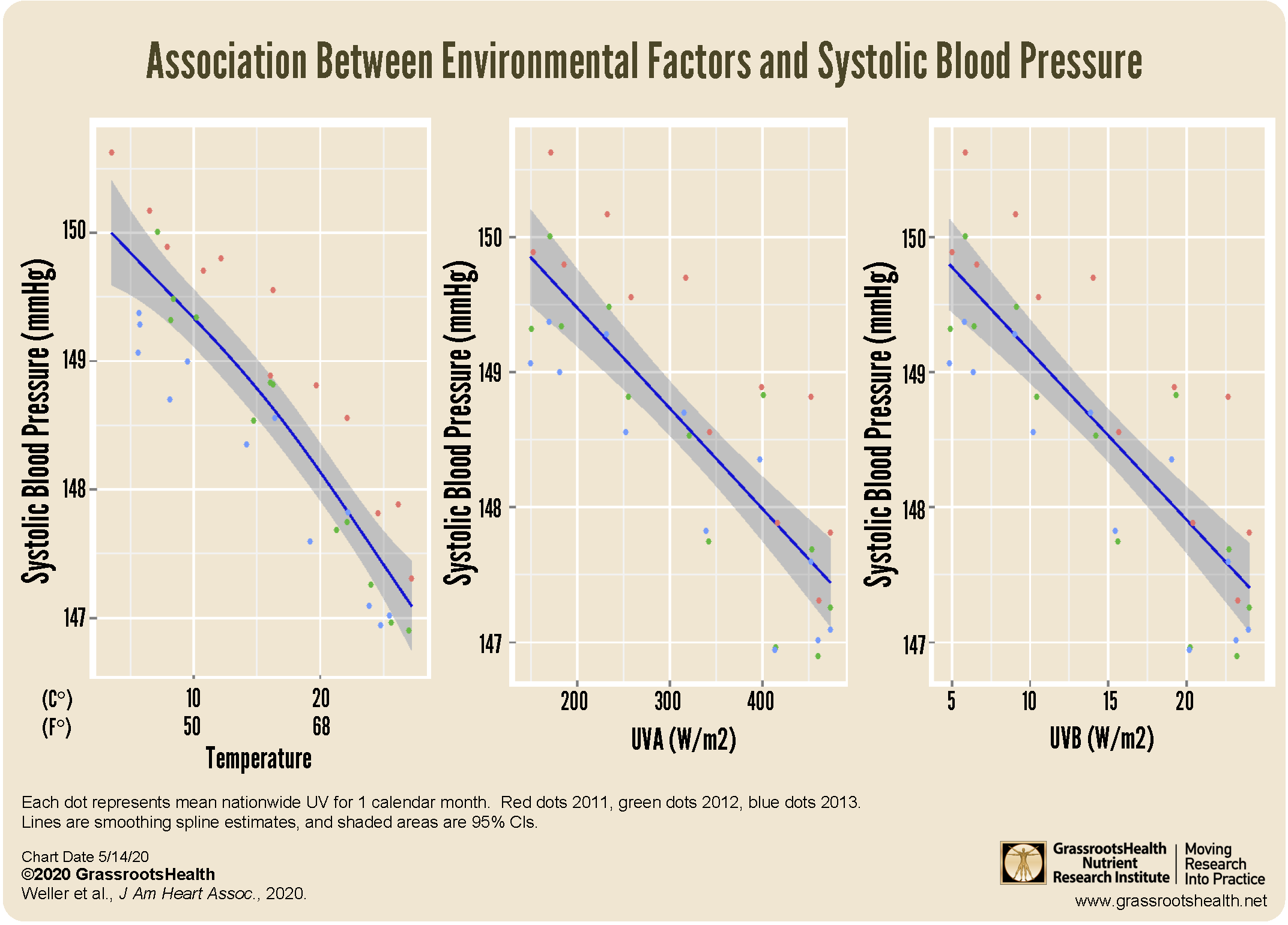
A study published by Weller et al. in 2020 tested if environmental UV exposure had an effect on systolic blood pressure (SBP) in a cohort of over 340,000 chronic hemodialysis patients and found that temperature, UVA, and UVB light were all inversely related to SBP. In addition, the authors found that pre-dialysis SBP varied by season and was approximately 4 mm Hg higher in black patients than white patients. The results of this study raise the concern that insufficient sun exposure may be a risk factor for hypertension in the general population, and even more so for the black population.
Sunshine Exposure May Lower the Risk of Heart Attack
A study from Harvey et al. (2019) found that the incidence of death from heart attack in Sweden, over the time frame of 1987 through 2009, varied by season and latitude. (The range of latitude in Sweden is from 55-69°N.) For men, every 1° of latitude northwards corresponded with a 1.3% increase in death related to heart attacks; for women, a 0.6% increase. Additionally, the incidence of death from heart attacks was highest in the winter months and lowest in the summer months. The authors suggested vitamin D and nitric oxide as two potential factors contributing to their findings that summer months and more southern latitudes had less death from heart attack than winter months and more northern latitudes.
How Nitric Oxide Affects Cardiovascular Health
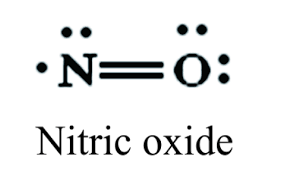 Scientists now understand that one of the reasons for the link between sun exposure and cardiovascular health is the sunshine’s role in the metabolism and release of nitric oxide. Studies have also linked nitric oxide and regular UV exposure to decreased metabolic dysfunction and improved glycemic control, which can contribute to improved cardiovascular health.
Nitric oxide has several effects within the body, including anti-inflammatory, anti-oxidant, and anti-thrombotic effects, and it is important for healthy endothelial function. Nitric oxide also helps to regulate immune cells such as macrophages. Benefits from increased nitric oxide production include dilated coronary arteries, lowered blood pressure, and reduced risk of angina – a condition characterized by severe chest pain and inadequate blood supply to the heart.
A Dermatologist Promoting Sunshine Exposure?
Dr. Weller, whose work is featured above, studied in England, Australia, and Scotland. He wrote the textbook Clinical Dermatology in 2013 with the hopes of enthusing family doctors with the joy and challenge of diagnosing and treating skin disorders. His research on skin and nitric oxide has made him passionate about helping people understand the benefits of sunlight. From the perspective of a dermatologist, he mentions the prevalence of heart disease compared to skin cancer and explains why the pros of sunshine exposure may outweigh the cons. Of course, people need to be careful not to burn, but the benefits that we do get from the sun may support a reduction in cardiac events due to improvements in overall blood flow. In fact, one of his past speaking engagements was titled, Soak Up the Sun and to Hell with Skin Cancer!

Weller gave a TED talk in March 2012, Could the Sun Be Good for Your Heart? describing both his training and his transition into researching mortality. Why do different cultures have different mortality rates? Did the Aussies have lower mortality rates due to their active lifestyle? Why did the Brits have an increased rate of heart disease, and deaths due to heart attacks, heart failure, and stroke? He explains that the sun is good for you, and that it is much more than just vitamin D. He considers epidemiologic data about vitamin D as a marker for sun exposure and goes on to argue that there are additional benefits from the sun, especially for cardiovascular disease.
While this TED Talk is from several years ago, it is an excellent presentation, and the material is still relevant today. Watch it now.
Reminder About Skin Cancer
Although sunlight is a key factor in the development of skin cancer, the chance of death due to heart disease is far more likely than the chance of death due to skin cancer. We need to weigh the risks and benefits of healthy sun exposure – it is not an all or nothing proposition. See this previous blog on the subject here.
Are You Relying on Sunshine for Your Vitamin D? Make Sure You Are Getting Enough
With almost 90% of the general population having vitamin D levels below the recommended 40-60 ng/ml (100-150 nmol/L), it is obvious that most people need more vitamin D. While most of us cannot achieve a vitamin D level of 40-60 ng/ml from sun alone, either due to our lifestyle, where we live, or other circumstances, we can certainly reach those levels with the right amount of supplementation.
How Can You Use this Information for YOUR Health?
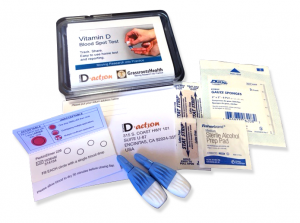
Having and maintaining healthy vitamin D and other nutrient levels can help improve your health now and for your future. Measuring is the only way to make sure you are getting enough!
STEP 1 Order your at-home blood spot test kit to measure vitamin D and other nutrients of concern to you, such as omega-3s, magnesium, essential and toxic elements (zinc, copper, selenium, lead, cadmium, mercury); include hsCRP as a marker of inflammation or HbA1c for blood sugar health
STEP 2 Answer the online questionnaire as part of the GrassrootsHealth study
STEP 3 Using our educational materials and tools (such as our dose calculators), assess your results to determine if you are in your desired target range or if actions should be taken to get there
STEP 4 After 3-6 months of implementing your changes, re-test to see if you have achieved your target level(s)