

Published on June 29, 2026
In case you missed it! Dr. Cedric Garland’s recorded webinar is available now.
Key Points
- Higher vitamin D status and greater solar UVB exposure are consistently associated with lower rates of metastatic and fatal cancers, particularly colorectal and breast cancer.
- Maintaining serum 25(OH)D levels at 50 ng/mL or higher may provide greater protection against cancer than lower commonly recommended targets.
- Regular measurement of serum 25(OH)D is essential because vitamin D requirements vary considerably between individuals.
- Intelligent sun exposure (obtaining enough sunlight to produce vitamin D while avoiding sunburn) should be considered an important component of long-term health and cancer prevention.

Last month, as part of a very special Sunshine Month, GrassrootsHealth hosted several webinars featuring key speakers known for their excellent research in the areas of sun exposure and vitamin D. We were honored to have Dr. Cedric Garland present for our final Sunshine Month webinar, whose published research on the connection between latitude, UVB, and cancer has been referenced for nearly five decades.
Not only has Dr. Garland been a pioneer in UVB and vitamin D research, he has also played a central role in the foundation and operation of GrassrootsHealth and the Vitamin D*action study, serving as Principal Investigator since 2007. Learn more about some of his other outstanding achievements, many of which have inspired further investigation into the health-saving benefits of UVB and vitamin D.
Sunlight Exposure, Vitamin D Status & Cancer Risk: What is the Real Relationship?
In the recording below, Dr. Cedric Garland reviewed more than four decades of epidemiologic and clinical research supporting the role of sunlight and vitamin D in reducing the risk of metastatic and fatal cancers. Building on the pioneering work he conducted with his late brother, Dr. Frank Garland, and colleagues including Dr. Edward Gorham, he presented evidence that populations with greater exposure to solar UVB radiation and higher vitamin D status consistently experience lower rates of several major internal cancers, particularly colorectal and breast cancer. Dr. Garland argued that vitamin D appears to have its greatest impact by reducing cancer progression and metastasis, rather than simply preventing cancer from developing, and proposed three “GG Laws”: higher vitamin D or UVB exposure is associated with fewer fatal cancers; serum 25(OH)D concentrations should generally be maintained at or above 50 ng/mL (while remaining below approximately 100 ng/mL until additional research is available); and vitamin D should be taken daily rather than as large intermittent (bolus) doses, which have repeatedly failed to reduce cancer risk in clinical trials.
The presentation also emphasized practical strategies for safely achieving and maintaining optimal vitamin D status. Dr. Garland recommended a minimum daily intake of approximately 4,000 IU of vitamin D for most adults, with higher amounts often needed for individuals with higher body mass index, combined with sensible sun exposure and regular blood testing to confirm serum 25(OH)D levels. He stressed that sunlight should be viewed as an important health resource when used intelligently, obtaining enough exposure to produce vitamin D while avoiding sunburn through appropriate timing, clothing, shade, and, when necessary, mineral-based sunscreens. Throughout the presentation, he discussed the biological mechanisms linking UVB exposure and vitamin D production, shared research on vitamin D levels associated with cancer prevention and improved outcomes, and challenged long-standing public health assumptions surrounding sunlight and cancer prevention, arguing that modern recommendations should better reflect the substantial body of evidence supporting vitamin D optimization as an important strategy for reducing cancer mortality.
Key points covered include:
- The historical origins of sunlight and cancer research
- Geographic patterns of cancer incidence around the world
- Evidence linking vitamin D status with reduced cancer risk
- Proposed principles for optimizing vitamin D for cancer prevention
- The importance of maintaining adequate vitamin D levels through regular intake and sensible sun exposure
- Practical strategies for monitoring and optimizing vitamin D status
Jump forward to specific topics from within the video:
13:18 Geographic Patterns of Breast Cancer
15:51 Global Cancer Patterns and Latitude
19:08 Breast Cancer Incidence Around the World
21:59 Bladder Cancer and Geographic Variation
23:21 Brain Cancer Patterns and Latitude
26:16 Lung Cancer, Smoking, and Sunlight Exposure
28:44 Leukemia and Sunlight Exposure
31:00 Multiple Myeloma and Latitude
36:02 Colon Cancer Research and Vitamin D
38:38 Breast Cancer Risk and Vitamin D Status
40:00 Vitamin D and Breast Cancer Prevention
41:12 Vitamin D and Reduced Cancer Metastasis
42:56 How Vitamin D May Prevent Metastasis
44:25 Mechanisms of Vitamin D in Cancer Progression
45:53 Breast Cancer Metastasis Pathways
46:20 GrassrootsHealth Breast Cancer Findings
48:46 Is Vitamin D Safe?
49:07 Why Daily Vitamin D Intake Matters
49:29 Additional Cancer Prevention Strategies
50:03 Question and Answer Session Begins
Measuring Your Level is Important… Are You Getting Enough Vitamin D?
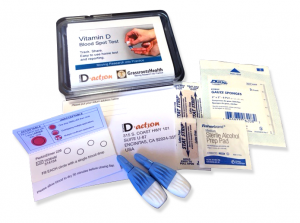
The only way to know is to test your levels! Testing versus blind supplementation is essential to know for sure if what you are taking is the right amount for you. Once you test your vitamin D (and other levels) to know where you are NOW, you can account for any upcoming changes in lifestyle over the coming months and adjust your intake to reach (or maintain) your targets.
 Measure your:
- Vitamin D
- Magnesium PLUS Elements
- Omega-3 Fatty Acids
- hsCRP
- HbA1c
- TSH
- Type 1 Diabetes Autoantibodies
Did you know that each of the above can be measured at home using a simple blood spot test? As part of our ongoing research project, you can order your home blood spot test kit to get your levels, followed by education and steps to take to help you reach your optimal target levels. Start by enrolling and ordering your kit to measure each of the above important markers, and make sure you are getting enough of each to support better mood and wellbeing!
Create your custom home test kit today. Take steps to improve the status of each of these measurements to benefit your overall health. With measurement you can then determine how much is needed and steps to achieve your goals. You can also track your own intakes, symptoms and results to see what works best for YOU.
Enroll in D*action and Test Your Levels Today! Use code SUNMONTH25 for 10% off during May 2025, plus get the Sunshine eBook for FREE with your test kit purchase.
How Can You Use this Information for YOUR Health?
Having and maintaining healthy vitamin D and other nutrient levels can help improve your health now and for your future. Measuring is the only way to make sure you are getting enough!
STEP 1 Order your at-home blood spot test kit to measure vitamin D and other nutrients of concern to you, such as omega-3s, magnesium, essential and toxic elements (zinc, copper, selenium, lead, cadmium, mercury); include hsCRP as a marker of inflammation or HbA1c for blood sugar health
STEP 2 Answer the online questionnaire as part of the GrassrootsHealth study
STEP 3 Using our educational materials and tools (such as our dose calculators), assess your results to determine if you are in your desired target range or if actions should be taken to get there
STEP 4 After 3-6 months of implementing your changes, re-test to see if you have achieved your target level(s)