

Published on February 23, 2026
Vitamin D needs are highly individual, and achieving optimal levels can result in whole-body health benefits
Key Points
- Vitamin D status must be measured, not guessed. Blood levels of 25-hydroxyvitamin D [25(OH)D], not supplement dose or sun exposure alone, determine whether vitamin D needs are being met.
- Vitamin D is a hormone with whole-body effects. Beyond bone health, vitamin D plays critical roles in immune function, muscle strength, inflammation regulation, and gene expression across many tissues.
- Many vitamin D studies fail to correct deficiency. Trials often show mixed results because participants are not deficient at enrollment, doses are too low to make a difference, or blood levels are not tracked, leading to underestimation of vitamin D’s benefits.
- Vitamin D needs are highly individual. Body weight, sun exposure, age, genetics, and health status all influence requirements, making personalized dosing and ongoing monitoring essential.
In today’s featured Vitamin D Study Hour, Dr. Michael Holick reviews decades of vitamin D research and explains why vitamin D deficiency remains so common despite widespread supplementation. He emphasizes that vitamin D is not simply a nutrient but a hormone that regulates hundreds of genes involved in immune health, muscle function, inflammation, and cellular regulation.
A central focus of his presentation is the importance of measuring blood levels of 25(OH)D. Dr. Holick explains that many vitamin D studies fail to show benefit because they do not enroll deficient individuals, use doses too low to raise vitamin D status, or fail to measure whether blood levels actually change. As a result, conclusions drawn from intake-based studies often underestimate vitamin D’s biological importance.
Dr. Holick also addresses concerns about safety, noting that vitamin D toxicity is rare and preventable with appropriate dosing and monitoring. He highlights the wide variation in individual vitamin D needs, driven by factors such as body weight, sun exposure, age, and underlying health conditions. The key message aligns with GrassrootsHealth’s evidence-based approach: test vitamin D status, personalize dosing, and track levels over time to achieve optimal health.
Watch the Study Hour Recording!
Key Takeaways from This Study Hour
- Vitamin D functions as a hormone, influencing gene expression throughout the body—not just bone metabolism.
- Measuring blood levels of 25-hydroxyvitamin D [25(OH)D] is essential; intake alone does not predict vitamin D status.
- Vitamin D deficiency remains widespread worldwide, even in sunny regions.
- Many people who supplement vitamin D still remain deficient due to underdosing, poor absorption, obesity, inflammation, or genetic differences.
- Current vitamin D recommendations were largely established to prevent rickets, not to optimize overall health.
“Many vitamin D studies fail because they don’t raise blood levels high enough to make a biological difference.”
- Large randomized trials often show limited benefit because they fail to raise 25(OH)D levels meaningfully.
- Vitamin D plays a central role in immune function, including innate immune defenses.
- Low vitamin D status is consistently associated with higher risk for chronic disease, even when supplementation trials appear mixed.
- Vitamin D supports muscle strength and function, particularly important for aging populations.
- Body weight significantly affects vitamin D needs; individuals with obesity often require higher intakes.
- Sun exposure alone is unreliable due to latitude, season, skin pigmentation, age, sunscreen use, and indoor lifestyles.
- Vitamin D requirements vary widely between individuals, reinforcing the need for personalized dosing.
- Maintenance intakes frequently need to be higher than commonly recommended to sustain adequate blood levels.
- Vitamin D toxicity is rare and typically results from extreme dosing without monitoring.
- Calcium intake should be adequate but not excessive when optimizing vitamin D status.
- Magnesium is an important cofactor in vitamin D metabolism and action.
- Pregnancy, infancy, and childhood are critical windows for vitamin D sufficiency.
- Clinical decisions should focus on achieving and maintaining target blood levels, not fixed intake rules.
- Testing, tracking, and adjusting vitamin D intake over time leads to better long-term outcomes.
- GrassrootsHealth research consistently shows that individuals who test and personalize dosing are more likely to reach and maintain optimal vitamin D status.
“One size does not fit all when it comes to vitamin D.”
Q&A Highlights from the Study Hour
Why do vitamin D trials often show conflicting results?
Many trials do not correct deficiency, enroll participants with adequate baseline levels, or use doses too low to meaningfully raise 25(OH)D.
What is the best marker of vitamin D status?
Serum 25-hydroxyvitamin D [25(OH)D] is the accepted and reliable measure.
Is vitamin D supplementation safe?
Yes. Vitamin D toxicity is rare and generally occurs only with extremely high intakes taken long-term without monitoring.
Why do people with obesity need more vitamin D?
Vitamin D is fat-soluble and becomes sequestered in adipose tissue, reducing circulating levels.
Can sunlight alone provide enough vitamin D?
For many people, no. Season, latitude, skin pigmentation, aging, sunscreen use, and indoor lifestyles limit UVB exposure.
Are current vitamin D guidelines sufficient?
They are adequate to prevent rickets but do not necessarily reflect levels associated with broader health benefits.
Does vitamin D support immune health?
Yes. Vitamin D plays a key role in immune regulation and antimicrobial defense.
Is there a single optimal dose for everyone?
No. Vitamin D needs vary widely; testing is essential for individualized dosing.
Measure Your Levels Today!
Check your vitamin D level today as part of the vitamin D*action project. 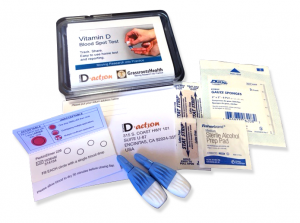 You can also choose to measure your:
- Magnesium PLUS Elements (including zinc, copper, selenium, mercury, cadmium and lead)
- Omega-3 Fatty Acids
- hsCRP (for Inflammation)
- HbA1c (for Blood Sugar)
- and more
Did you know that each of the above can be measured at home using a simple blood spot test? As part of our ongoing research project, you can order your home blood spot test kit to get your levels, followed by education and steps to take to help you reach your optimal target levels. Start by enrolling and ordering your kit to measure each of the above important markers, and make sure you are getting enough of each to support better health and wellbeing! Build your custom kit here Start Here to Measure Your Levels
How Can You Use this Information for YOUR Health?
Having and maintaining healthy vitamin D and other nutrient levels can help improve your health now and for your future. Measuring is the only way to make sure you are getting enough!
STEP 1 Order your at-home blood spot test kit to measure vitamin D and other nutrients of concern to you, such as omega-3s, magnesium, essential and toxic elements (zinc, copper, selenium, lead, cadmium, mercury); include hsCRP as a marker of inflammation or HbA1c for blood sugar health
STEP 2 Answer the online questionnaire as part of the GrassrootsHealth study
STEP 3 Using our educational materials and tools (such as our dose calculators), assess your results to determine if you are in your desired target range or if actions should be taken to get there
STEP 4 After 3-6 months of implementing your changes, re-test to see if you have achieved your target level(s)