
Published on February 25, 2026

Your Genes, Your Nutrients, and Your Heart: How Nutrigenetics Is Reshaping Cardiovascular Health
Key Points
- Vitamin D deficiency, obesity, and cardiovascular disease are deeply interconnected, meanwhile decades of research show that optimal vitamin D status is associated with better heart and metabolic health.
- People who are overweight or obese often require two to three times more vitamin D intake to achieve the same protective blood levels as normal-weight individuals, yet current recommendations rarely account for this.
- New research in nutrigenetics reveals that genetic differences can influence how vitamin D, omega-3 fatty acids, and other nutrients are absorbed, metabolized, and used at the cellular level.
- Understanding how genes and nutrients interact may help explain why standard dietary advice works well for some people but fails to reduce cardiovascular risk in others, and why personalized nutrition matters.

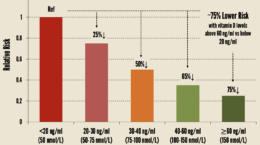
Heart disease remains the leading cause of death worldwide, and obesity is one of its strongest and most complex risk factors. Decades of research have shown that vitamin D status is also strongly associated with several cardiovascular health outcomes. Low vitamin D has been linked to higher risk of hypertension, inflammation, insulin resistance, metabolic syndrome, and cardiovascular events, while individuals who achieve and maintain higher vitamin D levels, typically in the range of 40–60 ng/mL, tend to have more favorable cardiometabolic profiles.
Importantly, individuals who are overweight or obese require substantially higher vitamin D intakes to reach these same protective blood levels; this is one of the main reasons that vitamin D needs are not uniform across the population.
What is now becoming increasingly clear is that genetics adds yet another layer of complexity. Even among individuals with similar body weight, sun exposure, diet, and supplement intake, vitamin D levels and cardiovascular responses can vary widely. Emerging research in the field of nutrigenetics helps explain why, showing that genetic differences can influence how nutrients like vitamin D and omega-3 fatty acids are absorbed, metabolized, and utilized at the cellular level, ultimately shaping cardiovascular disease risk.
What Is Nutrigenetics and Why Does It Matter for Heart Health?
Nutrigenetics is the study of how our genes, specifically how single-nucleotide polymorphisms (SNPs), or small genetic variations, affect how our bodies respond to specific nutrients. These variations can influence:
- How nutrients are absorbed
- How they are transported and stored
- How they regulate gene expression
- How effectively they reduce inflammation or improve lipid profiles
This type of testing can also help explain why standard dietary reference intakes may be insufficient for many individuals, particularly those at higher cardiometabolic risk. A comprehensive 2020 scientific review published in the International Journal of Obesity Supplements by Barrea et al. brings this concept into focus, showing how genetic differences, including some affecting vitamin D, can influence cardiovascular risk, especially in people with higher BMI.
As we continue to highlight Heart Health Month, this research helps explain why “one-size-fits-all” nutrition advice often falls short, and why personalized strategies, especially around vitamin D and omega-3 fatty acids, are increasingly important.
Obesity, Inflammation, and Cardiovascular Risk
Obesity is not simply excess weight, it is a state of chronic, low-grade inflammation that profoundly affects cardiovascular physiology. Excess adipose tissue alters hormone signaling, increases inflammatory cytokines, and promotes structural changes in the heart and blood vessels. These changes raise the risk of:
- Atherosclerosis
- Hypertension
- Arrhythmias (including atrial fibrillation)
- Heart failure
Individuals with obesity show wide variation in cardiovascular outcomes, even when eating similar diets. The review explains that genetic variability accounts for a significant portion of this difference, influencing lipid metabolism, inflammation, insulin sensitivity, and nutrient utilization.
Vitamin D, Genetics, and Cardiovascular Disease Risk
Vitamin D deficiency is widespread globally and especially prevalent in individuals who are overweight or obese. This is not only due to reduced sun exposure or diet, but also because vitamin D is fat-soluble and becomes sequestered in adipose tissue.
The authors confirm:
- Vitamin D deficiency is associated with increased CVD risk
- Obesity increases deficiency risk by ~35% or more
- Genetic factors further influence vitamin D status and response to supplementation
Several genetic variants affect vitamin D metabolism and activity, including polymorphisms in:
- Vitamin D receptor (VDR) genes (Fok-I, Taq-I, Bsm-I, Apa-I)
- RXRA (retinoid X receptor alpha)
- Genes involved in vitamin D transport and hydroxylation
Clinical studies cited in the review show that:
- Some individuals are “low responders” to vitamin D supplementation
- Others experience greater increases in 25(OH)D levels and larger reductions in inflammatory markers
- Certain VDR genotypes are associated with better metabolic and cardiovascular responses to vitamin D intake
This research directly supports what GrassrootsHealth and our scientist panel have observed for years: vitamin D recommendations are often too low, especially for individuals with obesity, and genetic differences further widen the gap between intake and achieved blood levels.
Omega-3 Fatty Acids: Varying Needs, Equally Powerful for the Heart
Omega-3 fatty acids (EPA and DHA) are well known for their cardioprotective effects, including:
- Lowering triglycerides
- Reducing inflammation
- Improving endothelial function
- Decreasing platelet aggregation
However, the authors highlight that genetic differences strongly influence omega-3 effectiveness.
Key genes involved include:
- FADS1 and FADS2 (fatty acid desaturase enzymes)
- ELOVL2 (elongation of fatty acids)
- ALOX5 (inflammatory eicosanoid pathways)
- APOE, CD36, PPARG, and NOS3
Individuals with certain FADS gene variants, for example, convert plant-based omega-3s less efficiently into EPA and DHA, leading to lower tissue levels and reduced anti-inflammatory effects. These individuals may require higher intakes or direct EPA/DHA sources to achieve cardiovascular benefit. Clinical trials reviewed in the paper show that some genetic profiles respond more robustly to omega-3 supplementation, while others show little change in triglycerides or inflammatory markers at standard doses.
Omega-3s are foundational for heart health, and genetics can help determine who needs more, who responds best, and who may need targeted dosing strategies.
Other Genetic-Nutrient Interactions That Affect Heart Health
The authors also summarize additional nutrigenetic influences relevant to cardiovascular risk:
- Folate & MTHFR variants: Certain genotypes impair homocysteine metabolism, increasing CVD risk unless folate intake is optimized
- Dietary patterns: Genetic differences influence response to low-fat vs. low-carb diets and even the Mediterranean diet
- Polyphenols: Variants in the PON1 gene affect antioxidant and HDL-protective responses
- Caffeine metabolism: CYP1A2 variants influence blood pressure and vascular responses to coffee
What This Means for Personalized Heart Health
Nutrigenetics does not replace foundational lifestyle principles, but it can add precision. For example, it helps explain why two people with similar diets, weights, and lab values may experience very different cardiovascular outcomes.
For individuals at higher risk, especially those with obesity, insulin resistance, or persistent vitamin D deficiency, genetic insights can guide more effective, individualized nutrition strategies.
“Offering personalized diet advice based on the individual’s genetic susceptibility could be a promising strategy for preventing or treating obesity and obesity-related diseases, including CVD.”
Interested in Nutrigenomic Testing?
Many in the GrassrootsHealth community have expressed interest in Nutrigenomic testing to better understand their unique nutrient needs. While this service is offered separately from GrassrootsHealth, individuals interested in Nutrigenomic testing can contact Jen at [email protected] for more information.
Heart Health Month Savings End Soon!
As a reminder, GrassrootsHealth’s Heart Health Month sale is ending soon. If you’ve been considering vitamin D or omega-3 testing, now is a great time to take advantage of current savings and support your long-term cardiovascular health.
Check Out the Heart Health Sale Now!
Heart health is shaped by diet, lifestyle, body composition – and genetics. Nutrigenetics offers a powerful framework for understanding why certain nutrient needs and disease risk vary so widely between individuals. As this science continues to evolve, it reinforces a message GrassrootsHealth has long championed: personalized nutrition matters.
Make Sure You Are Getting Enough Vitamin D, Omega-3s and Other Nutrients!
 Having and maintaining healthy vitamin D levels and other nutrient levels can help improve your health now and for your future. Choose which additional nutrients to measure, such as your omega-3s and essential minerals including magnesium and zinc, by creating your custom home test kit today. Take steps to improve the status of each of these measurements to benefit your overall health. With measurement you can then determine how much is needed and steps to achieve your goals. You can also track your own intakes, symptoms and results to see what works best for YOU.
Enroll in D*action and Test Your Levels Today!
How Can You Use this Information for YOUR Health?
Having and maintaining healthy vitamin D and other nutrient levels can help improve your health now and for your future. Measuring is the only way to make sure you are getting enough!
STEP 1 Order your at-home blood spot test kit to measure vitamin D and other nutrients of concern to you, such as omega-3s, magnesium, essential and toxic elements (zinc, copper, selenium, lead, cadmium, mercury); include hsCRP as a marker of inflammation or HbA1c for blood sugar health
STEP 2 Answer the online questionnaire as part of the GrassrootsHealth study
STEP 3 Using our educational materials and tools (such as our dose calculators), assess your results to determine if you are in your desired target range or if actions should be taken to get there
STEP 4 After 3-6 months of implementing your changes, re-test to see if you have achieved your target level(s)