
Published on April 9, 2026

How one advocate transformed her personal health and is now helping thousands of others optimize vitamin D for better living.
Key Points
- Vitamin D deficiency is a global health issue
- “Sufficient” levels are often not optimal for health
- A simple protocol—Vitamin D3 + K2 + Magnesium, can support better outcomes
- Sun exposure helps, but is often not enough on its own
- Daily consistency is critical for results
- Education and awareness remain major gaps in public health
Meet Susan Rex Ryan

Susan Rex Ryan is an award-winning author, vitamin D advocate, and founder of a thriving vitamin D wellness community with over 71,000 members. She is best known for her Defend Your Life book series, written in clear, accessible language to help readers understand vitamin D’s powerful role in supporting immune health, reducing the risk of chronic disease, and improving overall quality of life. Her first book in the series received the prestigious Mom’s Choice Award.
In 2015, she founded the Vitamin D Wellness Group on Facebook, a global community dedicated to education and practical guidance on vitamin D optimization and wellness protocols.
Susan holds a Bachelor of Science degree from Georgetown University and a Master of Science degree from the U.S. military’s National War College. She has also earned numerous Continuing Medical Education (CME) credits from accredited U.S. programs, including those approved by the American Academy of Family Physician, eflecting her deep commitment to understanding and applying medical research.
Her work has been featured across multiple health platforms, including Hormones Matter, Lucine Health Sciences, and Choices Magazine, as well as on television, radio, and podcasts. Through her writing and advocacy, Susan is passionate about translating complex scientific research into simple, actionable strategies, empowering individuals to take control of their health through vitamin D and lifestyle optimization.
Introduction
Vitamin D, often called the “sunshine vitamin,” is one of the most powerful yet overlooked nutrients in modern health. Despite growing research, vitamin D deficiency remains a global issue—affecting people across all ages, lifestyles, and geographic locations.
In a recent interview, Susan shared her personal journey from chronic fatigue and poor health to vibrant well-being—all through understanding and optimizing vitamin D. Her story highlights not only the importance of this nutrient but also how simple, consistent habits can transform health outcomes.
The Turning Point: From Fatigue to Vitality
Susan’s journey began after retirement, when she unexpectedly experienced:
- Persistent fatigue
- Muscle and joint pain
- Low energy, even for simple daily tasks
- General feelings of poor health
After testing her vitamin D level, she discovered it was at 24.7 ng/mL—a level often considered “sufficient” by outdated standards, yet clearly inadequate for optimal health.
Through education and experimentation, she began supplementing with vitamin D3—and the results were profound:
- Increased energy levels
- Reduced pain and inflammation
- Improved overall well-being
This transformation led her to dive deeper into research and eventually share her findings with the world.
The Vitamin D Wellness Protocol
One of the most impactful takeaways from the interview with Susan is the simplicity of the vitamin D wellness protocol. Rather than complex interventions, it focuses on three essential nutrients:
1. Vitamin D3
- Typically ranges from 5,000–10,000 IU daily (or higher with testing or under supervision)
- Supports immune function, cellular health, and disease prevention
2. Vitamin K2 (especially as MK-7)
- Helps direct calcium into bones and teeth
- Prevents calcium buildup in arteries
- Sue recommends taking 90-120 mcg Vitamin K2 (as MK-7)
3. Magnesium
- Essential for vitamin D metabolism
- Supports energy production and muscle function
- The protocol includes 400-600 mg of Magnesium Malate
Together, these nutrients work synergistically to optimize health and reduce risks associated with imbalance.
Watch the Interview
Disclaimer: This information is intended for educational purposes only and is not intended to diagnose, treat, or cure any medical condition. Always consult with a qualified healthcare provider for medical advice, diagnosis, or treatment.
The Role of Sunlight
While supplementation is often necessary, natural sunlight remains a key component of vitamin D health. Key insights include:
- Vitamin D is only produced when UVB rays are present (typically midday during specific seasons)
- Morning or late afternoon sun exposure is often insufficient
- Large areas of skin must be exposed for meaningful production
However, individual factors—such as skin cancer history—may influence sun exposure strategies, making supplementation even more important.
Optimal Vitamin D Levels: Rethinking “Sufficient”
Traditional guidelines often label levels above 20–30 ng/mL as “adequate,” but emerging research suggests higher levels may provide greater benefits. Suggested ranges discussed:
- 40–60 ng/mL → General optimal health
- 50–80 ng/mL → Enhanced immune and chronic disease protection
- ~100 ng/mL → Potential additional benefits (individualized approach)
The key takeaway: “Optimal” is not the same as “adequaate.”
Safety and Balance: What You Need to Know
While vitamin D toxicity is often a concern, it is rare at the doses suggested and typically occurs with:
- Excess calcium intake
- Lack of supporting nutrients (K2 and magnesium)
- Extremely high doses without monitoring
It is important to start at the lower dose of 5000 IU/day to see how you and your blood level responds before increasing to doses of 10,000 IU/day or higher. GrassrootsHealth strongly recommends working with a knowledgable health care provider who can monitor your PTH and calcium levels for safety when aiming for vitamin D levels above 100 ng/ml.
NOTE: 10,000 IU/day is considered the NOAEL (no observed adverse effect level), meaning doses below this are considered safe. Additional studies have demonstrated that doses of up to 30,000 IU per day did not result in toxicity (hypercalcemia), however, caution should be taken when taking higher doses as individual responses can vary greatly.
Important considerations:
- Avoid unnecessary calcium supplementation when taking high-dose vitamin D
- Maintain proper hydration
- Monitor levels when using higher doses
- Consult a practitioner if you have kidney or liver conditions
The Power of Routine
One of the most overlooked yet critical elements is consistency. Many people fail to see results not because the protocol doesn’t work—but because:
- They forget to take supplements
- They expect immediate results
- They lack a daily habit
The solution: Make it part of your daily routine, such as taking supplements after breakfast.
Common Misconceptions
“Vitamin D doesn’t work”
Often due to inconsistency or missing cofactors (K2, magnesium)
“I get enough sun”
Modern lifestyles (indoor work, clothing, sunscreen) limit production
“My levels are fine”
Many “normal” levels are still suboptimal for long-term health
Why This Matters for Everyone
Vitamin D deficiency is not limited to certain populations—it affects people worldwide, including those in sunny regions. Factors contributing to widespread deficiency:
- Indoor lifestyles
- Limited sun exposure
- Poor dietary intake
- Lack of awareness
The message: Everyone can benefit from optimizing their vitamin D levels.
The Bigger Picture: Education and Awareness
A major barrier to progress is the lack of education—both among the public and healthcare professionals.
- Many medical programs include minimal nutrition training
- Public health messaging often lags behind research
- Awareness campaigns are still growing
However, movements like GrassrootsHealth and advocates like Susan are helping bridge the gap between research and real-world application.
Final Thoughts
Vitamin D optimization is one of the simplest, most accessible ways to improve overall health—yet it remains underutilized. The takeaway from this conversation is something to be remembered:
Small, consistent actions, like a daily vitamin routine can lead to life-changing results.
By combining education, routine, and the right nutrients, individuals can take control of their health in a meaningful and sustainable way.
Measure your level, optimize your intake, and retest to ensure you are reaching and maintaining your target range.
Are You Getting Enough Vitamin D for Your Health Concerns?
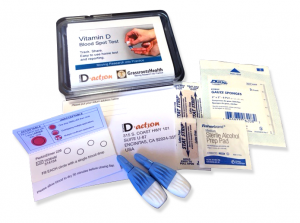 Having and maintaining healthy vitamin D levels and other nutrient levels can help improve your health now and for your future. Choose which additional nutrients to measure, such as your omega-3s and essential minerals including magnesium and zinc, by creating your custom home test kit today. Take steps to improve the status of each of these measurements to benefit your overall health. You can also track your own intakes, symptoms and results to see what works best for YOU.
Enroll and test your levels today, learn what steps to take to improve your status of vitamin D (see below) and other nutrients and blood markers, and take action! By enrolling in the GrassrootsHealth projects, you are not only contributing valuable information to everyone, you are also gaining knowledge about how you could improve your own health through measuring and tracking your nutrient status, and educating yourself on how to improve it.
How Can You Use this Information for YOUR Health?
Having and maintaining healthy vitamin D and other nutrient levels can help improve your health now and for your future. Measuring is the only way to make sure you are getting enough!
STEP 1 Order your at-home blood spot test kit to measure vitamin D and other nutrients of concern to you, such as omega-3s, magnesium, essential and toxic elements (zinc, copper, selenium, lead, cadmium, mercury); include hsCRP as a marker of inflammation or HbA1c for blood sugar health
STEP 2 Answer the online questionnaire as part of the GrassrootsHealth study
STEP 3 Using our educational materials and tools (such as our dose calculators), assess your results to determine if you are in your desired target range or if actions should be taken to get there
STEP 4 After 3-6 months of implementing your changes, re-test to see if you have achieved your target level(s)