
Decrease Your Risk of Breast Cancer with Omega-3s
A meta-analysis of 21 studies on omega-3s and risk of breast cancer by Zheng et al. concludes that higher consumption of omega-3s corresponds with a lower risk of breast cancer. The chart below is...


A meta-analysis of 21 studies on omega-3s and risk of breast cancer by Zheng et al. concludes that higher consumption of omega-3s corresponds with a lower risk of breast cancer. The chart below is...
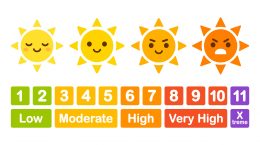
One of the key factors in personalizing your sun exposure is knowing the UV Index in your area so that you don’t burn. The UV Index is a measurement of the strength of the...

Sunshine is important for health, but before you soak up the sun’s rays it’s important to assess your situation so that you don’t burn. Sun exposure needs to be individualized according to skin type,...
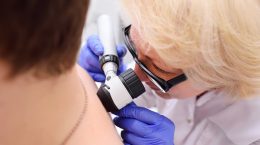
There are three primary types of skin cancer: basal cell carcinoma (BCC), squamous cell carcinoma (SCC), and melanoma. A vast majority of skin cancers are BCC (~80%) or SCC (~20%). These non-melanoma skin cancers...

In previous posts, we have discussed what optimal omega-3 levels are by looking at the Omega-3 Index, and how to improve your Omega-3 Index. While the Omega-3 Index is often considered the most important...

The most common class of all psychiatric disorders are anxiety disorders, affecting roughly 1/3 of the US population, and about 1/8 of the worldwide population. Anxiety symptoms can include irritability and anger, depression, the...
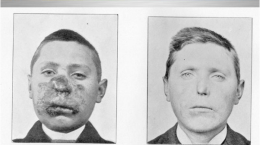
Current public health messaging tells us to avoid the sun due to skin cancer fears, but this advice ignores the fact that humans have a long cultural history of appreciation of the sun and...
Cognitive impairment is often a gradual, long-term process that affects many older individuals. In October 2018, results from a study assessing the association between sun exposure and cognitive function were published in the journal...
Drs. Cedric Garland and Sharif Mohr, along with others on their research team, have published numerous ecological studies on the association between UVB irradiance and the incidence of type 1 diabetes and many different...
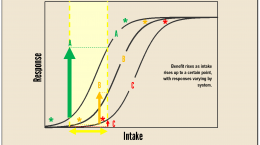
The way the body responds to most nutrients can be described by an ‘S’ shaped curve, or Sigmoid Response Curve, such as described in the Nutrition and Medicine Webinar by Dr. Robert Heaney (from...