

Orthomolecular experts explain that healing from surgery isn’t just about technique, it’s fundamentally influenced by your body’s nutrient and metabolic state.
Key Points
- Surgery triggers a complex biological response, oxidative stress, inflammation, and cellular repair, that requires optimal nutrient support for proper healing.
- Vitamin and micronutrient status, including vitamin C, vitamin D, magnesium, and others, plays a major role in wound healing, collagen formation, and immune function.
- Redox balance (the body’s oxidative/antioxidant equilibrium) and microcirculation determine how well oxygen and nutrients reach tissues during recovery.
- Patients with nutrient insufficiencies may experience slower healing and a higher risk of complications, even when surgical technique is excellent.
- An orthomolecular (nutrient‑optimized) approach suggests pre‑ and post‑operative optimization of micronutrients can enhance outcomes.
- This perspective highlights that systemic health and biochemistry are key determinants of recovery, not just surgical skill alone
 FOR IMMEDIATE RELEASE
Orthomolecular Medicine News Service, March 12, 2026
by Richard Z. Cheng, MD, PhD
Editor-in-Chief, Orthomolecular Medicine News Service (OMNS)
Each year, millions of surgical procedures are performed worldwide. When complications or delayed healing occur, they are typically attributed to infection, patient age, or technical factors. Yet surgery is fundamentally a controlled biological injury. Recovery depends not only on surgical skill, but on the patient’s systemic biochemical terrain – including redox balance, micronutrient status, endothelial function, metabolic control, and coagulation physiology.
Dental implant osseointegration provides a uniquely visible model of this principle. Integration failure often reflects impaired bone biology in addition to mechanical considerations. This article reviews key orthomolecular determinants of surgical healing and proposes a systems-based framework for pre- and post-operative optimization.
The Overlooked Variable in Surgery
Surgery initiates:
- Acute oxidative burst
- Inflammatory cascade activation
- Coagulation pathway activation
- Endothelial perturbation
- Collagen matrix remodeling
- Increased mitochondrial ATP demand
Healing is therefore a redox-regulated, nutrient-dependent biological process – not merely a technical event.
Excess oxidative stress impairs fibroblast function, collagen deposition, angiogenesis, and osteoblast activity [1, 2]. At the same time, physiologic redox signaling is essential for repair. The critical question is whether the patient possesses sufficient reduction capacity to resolve the oxidative burden.
A Widespread Terrain Problem
Systemic insufficiency is common:
- Vitamin D insufficiency (commonly defined as serum 25(OH)D <30 ng/mL) affects an estimated 50-80% of adults globally [3]. However, several investigators have proposed that optimal physiological levels for immune and musculoskeletal health may lie in the range of 40-60 ng/mL or higher [4-6]. Using such “optimal” thresholds, the proportion of adults with suboptimal vitamin D status may approach 80-90% in some populations.
- Magnesium intake is below recommended levels in a large proportion of Western populations [7].
- Over one-third of adults have prediabetes or diabetes, conditions known to impair wound healing [8].
Early dental implant failure rates are typically reported between 2-10%, depending on patient risk factors [9]. Many of these failures occur in the absence of obvious technical error.
These statistics suggest that surgical biology – not merely surgical technique – warrants closer attention.
What Orthomolecular Medicine Adds to Surgery
Orthomolecular medicine focuses on restoring optimal concentrations of substances normally present in the body. Surgical injury increases metabolic demand for:
- Antioxidants
- Collagen cofactors
- Bone remodeling regulators
- Mitochondrial nutrients
“Normal laboratory range” does not necessarily equal optimal healing physiology. Surgical stress may unmask subclinical insufficiencies.
Vitamin C: Collagen and Structural Integrity
Vitamin C is required for:
- Proline and lysine hydroxylation
- Collagen cross-link stabilization
- Endothelial integrity
- Osteoblast differentiation
Deficiency impairs wound healing and increases bleeding risk [10-13].
In bone repair and implant osseointegration, collagen scaffold formation precedes mineralization. Without adequate ascorbate, this scaffold is structurally compromised. Clinical data suggest vitamin C supplementation may support bone healing and reduce postoperative oxidative stress [14].
Vitamin D: Osteoimmunology and Integration
Vitamin D regulates:
- Osteoblast differentiation
- Osteoclast signaling
- Antimicrobial peptide production
- Immune modulation
Low serum vitamin D has been associated with increased risk of early implant failure [15, 16].
Bone remodeling is hormonally and immunologically regulated. Vitamin D insufficiency disrupts RANKL/OPG balance and delays bone matrix maturation.
Magnesium and Vitamin K2: Mineralization Quality
Bone is not simply calcium deposition. It requires:
- Magnesium-dependent ATP for osteoblast activity
- Vitamin K-dependent activation of osteocalcin and matrix Gla protein
Magnesium intake is suboptimal in a substantial proportion of the population. NHANES data indicate that nearly half of Americans consume less than the required amount of magnesium from food, with average intakes in women approximating 68% of the RDA [17]. Broader NHANES analyses also demonstrate widespread inadequacy of nutrients essential for immune and connective tissue integrity, including vitamins D, C, E, A, and zinc [18].
Subclinical magnesium depletion, reflected in higher Magnesium Depletion Scores, has been associated with increased risk of metabolic and skeletal dysfunction [7]. Magnesium deficiency impairs bone crystal formation and promotes inflammatory signaling [19]. Meanwhile, vitamin K-dependent proteins guide proper mineralization and help prevent dysregulated calcification [20].
Glucose, Insulin Resistance, and Collagen Damage
Hyperglycemia impairs neutrophil function, collagen deposition, and angiogenesis. Advanced glycation end-products (AGEs) stiffen collagen matrices and interfere with normal remodeling [21, 22]. Even mild insulin resistance has been associated with delayed wound repair and impaired microvascular function [23]. Perioperative glycemic optimization is therefore a systemic, not merely endocrinologic, concern.
Emerging evidence suggests that dietary patterns that reduce glycemic variability and insulin resistance may favorably influence inflammatory tone and endothelial function [24, 25]. Lower-carbohydrate dietary approaches have been shown to improve postprandial glycemia, insulin sensitivity, and markers of systemic inflammation [26]. From a systems perspective, perioperative metabolic stabilization may be as important as micronutrient sufficiency.
Endothelial Function and Microcirculation
Healing requires:
- Oxygen delivery
- Capillary perfusion
- Nitric oxide signaling
Endothelial dysfunction impairs angiogenesis and delays tissue repair [27].
Chronic inflammatory states are associated with hypercoagulability and microcirculatory disturbance [28]. Impaired microperfusion may compromise surgical sites, including dental implant beds.
Dental Implants: A Visible Model of Systems Biology
Osseointegration requires:
- Collagen scaffold formation
- Osteoblast activation
- Controlled inflammatory signaling
- Adequate microvascular perfusion
- Balanced mineral deposition
Each process is systemically regulated.
Implant failure, delayed union, dry socket, or graft compromise may in some cases reflect systemic biological insufficiency in addition to technical factors. Integration success correlates with metabolic health, smoking status, diabetes control, and vitamin D status [9, 15, 16].
Dentistry provides a measurable model of a broader surgical principle: the terrain influences the outcome.
An Orthomolecular Surgical Optimization Framework
Pre-operative (2-4 weeks when feasible)
- Assess vitamin D status
- Optimize glycemic control
- Replete vitamin C (divided dosing)
- Ensure adequate magnesium and vitamin K intake
- Address smoking and ultra-processed food intake
- Support endothelial health
Post-operative (2-6 weeks)
- Maintain antioxidant sufficiency
- Support collagen synthesis
- Ensure adequate protein intake
- Monitor glucose control
- Support microcirculatory function
This framework does not replace surgical technique. It optimizes the biological environment in which that technique operates.
Toward a Systems-Based Surgical Paradigm
Modern medicine separates specialties: surgeons operate; internists manage metabolism. Yet biology does not recognize these divisions.
If healing is biochemical, surgical outcomes are fundamentally systemic.
Dental implantology demonstrates that osseointegration is not merely a hardware issue – it is a living bone biology outcome.
The future of biological dentistry – and surgery more broadly – lies in systemic terrain optimization.
The concepts discussed in this article will also be presented at the 2026 International Circle for Biological Implantology (ICBI) Global Congress, scheduled for October 21-24 2026, in Zurich, Switzerland (https://icbi-foundation.org).
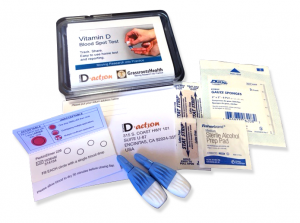
Measure Your Vitamin D Levels, Include Omegas to Save 15% with Code OMEGA3S

Create your custom home blood spot kit to help determine if you are getting enough of the following nutrients shown to benefit overall health, along with other measures, including:
 Vitamin D
- Omega-3 Index plus Omega-3:Omega-6 and AA:EPA Ratios
- Magnesium (plus Zinc, Copper, Selenium, Lead, Cadmium & Mercury)
- hsCRP
- HbA1c
- Type 1 Diabetes Autoantibodies
- TSH
 Vitamin D
Enroll and test your levels today, learn what steps to take to improve your status of omega-3s, vitamin D and other nutrients and blood markers, and take action! By enrolling in the GrassrootsHealth projects, you are not only contributing valuable information to everyone, you are also gaining knowledge about how you could improve your own health through measuring and tracking your nutrient status, and educating yourself on how to improve it.
References
1. Sen, C.K. Wound Healing Essentials: Let There Be Oxygen. Wound Repair Regen 2009, 17, (1), 1-18. DOI: 10.1111/j.1524-475X.2008.00436.x.
2. Cano Sanchez, M.; Lancel, S.; Boulanger, E.; et al. Targeting Oxidative Stress and Mitochondrial Dysfunction in the Treatment of Impaired Wound Healing: A Systematic Review. Antioxidants (Basel) 2018, 7, (8), 98. DOI: 10.3390/antiox7080098.
3. Dunlop, E.; Pham, N.M.; Van Hoang, D.; et al. A Systematic Review and Meta-Analysis of Circulating 25-Hydroxyvitamin D Concentration and Vitamin D Status Worldwide. J Public Health (Oxf) 2025, 47, (4), e520-e529. DOI: 10.1093/pubmed/fdaf080.
4. Holick, M.F. Vitamin D Deficiency. N Engl J Med 2007, 357, (3), 266-281. DOI: 10.1056/NEJMra070553.
5. McDonnell, S.L.; Baggerly, C.; French, C.B.; et al. Serum 25-Hydroxyvitamin D Concentrations ≥40 Ng/Ml Are Associated with >65% Lower Cancer Risk: Pooled Analysis of Randomized Trial and Prospective Cohort Study. PLoS One 2016, 11, (4), e0152441. DOI: 10.1371/journal.pone.0152441.
6. Grant, W.B.; Wimalawansa, S.J.; Pludowski, P.; et al. Vitamin D: Evidence-Based Health Benefits and Recommendations for Population Guidelines. Nutrients 2025, 17, (2), 277. DOI: 10.3390/nu17020277.
7. Costello, R.B.; Fan, Z.; Wallace, T.C. Magnesium Depletion Score as an Indicator of Health Risk and Nutritional Status-A Scoping Review. Nutrients 2025, 17, (20), 3286. DOI: 10.3390/nu17203286.
8. NIDDK Diabetes Statistics – NIDDK. Available online: https://www.niddk.nih.gov/health-information/health-statistics/diabetes-statistics (accessed 3 March 2026).
9. Chrcanovic, B.R.; Albrektsson, T.; Wennerberg, A. Reasons for Failures of Oral Implants. J Oral Rehabil 2014, 41, (6), 443-476. DOI: 10.1111/joor.12157.
10. Levine, M.; Conry-Cantilena, C.; Wang, Y.; et al. Vitamin C Pharmacokinetics in Healthy Volunteers: Evidence for a Recommended Dietary Allowance. Proc Natl Acad Sci U S A 1996, 93, (8), 3704-3709. DOI: 10.1073/pnas.93.8.3704.
11. Pullar, J.M.; Carr, A.C.; Vissers, M.C.M. The Roles of Vitamin C in Skin Health. Nutrients 2017, 9, (8), 866. DOI: 10.3390/nu9080866.
12. Carr, A.C.; Maggini, S. Vitamin C and Immune Function. Nutrients 2017, 9, (11), 1211. DOI: 10.3390/nu9111211.
13. Bechara, N.; Flood, V.M.; Gunton, J.E. A Systematic Review on the Role of Vitamin C in Tissue Healing. Antioxidants (Basel) 2022, 11, (8), 1605. DOI: 10.3390/antiox11081605.
14. Barrios-Garay, K.; Toledano-Serrabona, J.; Gay-Escoda, C.; et al. Clinical Effect of Vitamin C Supplementation on Bone Healing: A Systematic Review. Med Oral Patol Oral Cir Bucal 2022, 27, (3), e205-e215. DOI: 10.4317/medoral.24944.
15. Guido Mangano, F.; Ghertasi Oskouei, S.; Paz, A.; et al. Low Serum Vitamin D and Early Dental Implant Failure: Is There a Connection? A Retrospective Clinical Study on 1740 Implants Placed in 885 Patients. J Dent Res Dent Clin Dent Prospects 2018, 12, (3), 174-182. PMID: 30443302.
16. Buzatu, B.L.R.; Buzatu, R.; Luca, M.M. Impact of Vitamin D on Osseointegration in Dental Implants: A Systematic Review of Human Studies. Nutrients 2024, 16, (2), 209. DOI: 10.3390/nu16020209.
17. Rosanoff, A.; Weaver, C.M.; Rude, R.K. Suboptimal Magnesium Status in the United States: Are the Health Consequences Underestimated? Nutr Rev 2012, 70, (3), 153-164. DOI: 10.1111/j.1753-4887.2011.00465.x.
18. Reider, C.A.; Chung, R.-Y.; Devarshi, P.P.; et al. Inadequacy of Immune Health Nutrients: Intakes in US Adults, the 2005-2016 NHANES. Nutrients 2020, 12, (6), 1735. DOI: 10.3390/nu12061735.
19. Rude, R.K.; Singer, F.R.; Gruber, H.E. Skeletal and Hormonal Effects of Magnesium Deficiency. J Am Coll Nutr 2009, 28, (2), 131-141. DOI: 10.1080/07315724.2009.10719764.
20. Cranenburg, E.C.M.; Schurgers, L.J.; Vermeer, C. Vitamin K: The Coagulation Vitamin That Became Omnipotent. Thromb Haemost 2007, 98, (1), 120-125.
21. Lin, H.; Yang, Y.; Wang, X.; et al. Targeting the AGEs-RAGE Axis: Pathogenic Mechanisms and Therapeutic Interventions in Diabetic Wound Healing. Front Med (Lausanne) 2025, 12, 1667620. DOI: 10.3389/fmed.2025.1667620.
22. Brownlee, M. Biochemistry and Molecular Cell Biology of Diabetic Complications. Nature 2001, 414, (6865), 813-820. DOI: 10.1038/414813a.
23. Maruyama, K.; Asai, J.; Ii, M.; et al. Decreased Macrophage Number and Activation Lead to Reduced Lymphatic Vessel Formation and Contribute to Impaired Diabetic Wound Healing. Am J Pathol 2007, 170, (4), 1178-1191. DOI: 10.2353/ajpath.2007.060018.
24. Esposito, K.; Maiorino, M.I.; Ciotola, M.; et al. Effects of a Mediterranean-Style Diet on the Need for Antihyperglycemic Drug Therapy in Patients with Newly Diagnosed Type 2 Diabetes: A Randomized Trial. Ann Intern Med 2009, 151, (5), 306-314. DOI: 10.7326/0003-4819-151-5-200909010-00004.
25. Hallberg, S.J.; McKenzie, A.L.; Williams, P.T.; et al. Effectiveness and Safety of a Novel Care Model for the Management of Type 2 Diabetes at 1 Year: An Open-Label, Non-Randomized, Controlled Study. Diabetes Ther 2018, 9, (2), 583-612. DOI: 10.1007/s13300-018-0373-9.
26. Feinman, R.D.; Pogozelski, W.K.; Astrup, A.; et al. Dietary Carbohydrate Restriction as the First Approach in Diabetes Management: Critical Review and Evidence Base. Nutrition 2015, 31, (1), 1-13. DOI: 10.1016/j.nut.2014.06.011.
27. Bao, P.; Kodra, A.; Tomic-Canic, M.; et al. The Role of Vascular Endothelial Growth Factor in Wound Healing. J Surg Res 2009, 153, (2), 347-358. DOI: 10.1016/j.jss.2008.04.023.
28. Esmon, C.T. Crosstalk between Inflammation and Thrombosis. Maturitas 2008, 61, (1-2), 122-131. DOI: 10.1016/j.maturitas.2008.11.008.
Orthomolecular Medicine
Orthomolecular medicine uses safe, effective nutritional therapy to fight illness. For more information: http://www.orthomolecular.org
Find a Doctor
To locate an orthomolecular physician near you: http://orthomolecular.org/resources/omns/v06n09.shtml
The peer-reviewed Orthomolecular Medicine News Service is a non-profit and non-commercial informational resource.