

The findings from the current study suggest that magnesium also increases the gut synthesis of vitamin D, which does not go to the blood and takes effect locally.
Key Points
-
Magnesium’s effects were stronger in women, possibly due to estrogen’s role in magnesium uptake.
-
Those with adequate TRPM7 gene function had more vitamin D–supporting microbes.
-
In high-risk patients, certain microbes (F. prausnitzii) were linked to a 3x higher risk of new polyps.
-
Findings suggest magnesium could be part of a precision-based strategy to reduce colorectal cancer risk.
Measure Your Levels of Vitamin D & Magnesium (Plus Elements)
Friday, September 12, 2025 (VUMC News) By: Tom Wilemon
 Researchers from Vanderbilt University Medical Center have demonstrated in a precision-based clinical trial that a magnesium supplement increases gut bacteria in humans that have been shown to synthesize vitamin D and inhibit colorectal cancer carcinogenesis.
However, the effect was observed primarily in females, an outcome that the researchers surmised may be attributable to the role that estrogen plays in shifting magnesium from circulation into cellular uptake.
Intestinal microbiome data and colonoscopy results were analyzed from participants who were randomized by whether they had the TRPM7 genotype, which plays a crucial role in regulating magnesium and calcium uptake.
Previously, the investigators showed in the same randomized trial that magnesium enhances the synthesis of vitamin D and increases the blood levels of vitamin D. The findings from the current study suggest that magnesium also increases the gut synthesis of vitamin D, which does not go to the blood and takes effect locally.
These results from the Personalized Prevention of Colorectal Cancer Trial were published Sept. 12 inThe American Journal of Clinical Nutrition.

“Our previous study showed magnesium supplementation increased blood levels of vitamin D when vitamin D levels were low,” said Qi Dai, MD, PhD, professor of Medicine. “The current study reveals that magnesium supplementation also increases the gut microbes which have been shown to synthesize vitamin D in the gut without sunlight and locally inhibit colorectal cancer development.”
The participants were divided into two arms, one that received the magnesium supplement and another that received a placebo. Their gut microbiome was analyzed from stools, rectal swabs and rectal tissues. Among participants with adequate TRPM7 function, the magnesium supplement increased Carnobacterium maltaromaticumand Faecalibacterium prausnitzii, which were previously found to work synergistically to increase vitamin D and decrease colorectal carcinogenesis. Among those with inadequate TRPM7function, the magnesium supplement reduced the abundance of F. prausnitziiin rectal mucosa.
Among 236 participants who all had a history of colorectal polyps, 124 underwent colonoscopies after completing the trial with a 3.5-year median follow-up time. A higher abundance of F. prausnitzii in rectal mucosa was associated with an almost threefold increase in developing additional polyps.
The findings suggest that magnesium supplementation treatment may decrease colorectal cancer risk in individuals with inadequate TRPM7function. All together, these findings provide new insights into the interplays between nutrition and gut microbiome contributing to colorectal carcinogenesis and establish the foundation for a precision-based strategy for prevention of colorectal cancer in high-risk populations.
The researchers received support from the National Cancer Institute (R01 DK110166, R01 CA149633 and R03 CA 189455) and the Vanderbilt-Ingram Cancer Center Endowment Fund. Dai and Martha Shrubsole, PhD, Ingram Professor of Cancer Research and research professor of Medicine, are principal investigators of the grant that funded the microbiome research from the National Institute of Diabetes and Digestive and Kidney Diseases (DK110116).
Other major Vanderbilt authors on the study include Elizabeth Sun, Xiangzhu Zhu, MD, MPH, Reid Ness, MD, MPH, Harvey Murff, MD, MPH, and Lei Fan, MD, PhD. The first author, Elizabeth Sun, a medical student at Vanderbilt University School of Medicine, was elected for an Early Investigator Travel Award, a young investigator lightning talk, and an in-person poster presentation at the Precision Nutrition Forum and PREDIMED Omics Symposium 2025 held by Harvard University.
###
Media Contact
Craig Boerner
(615) 322-4747
[email protected]
Measure Your Levels Today – Save 15% with Code OMEGA3S

Create your custom home blood spot kit to help determine if you are getting enough of the following nutrients shown to benefit overall health, along with other measures, including:
 Vitamin D
- Omega-3 Index plus Omega-3:Omega-6 and AA:EPA Ratios
- Magnesium (plus Zinc, Copper, Selenium, Lead, Cadmium & Mercury)
- hsCRP
- HbA1c
- Type 1 Diabetes Autoantibodies
- TSH
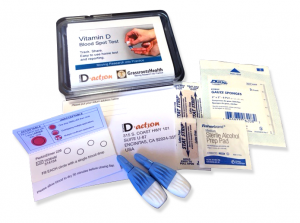 Vitamin D
Enroll and test your levels today, learn what steps to take to improve your status of omega-3s, vitamin D and other nutrients and blood markers, and take action! By enrolling in the GrassrootsHealth projects, you are not only contributing valuable information to everyone, you are also gaining knowledge about how you could improve your own health through measuring and tracking your nutrient status, and educating yourself on how to improve it.