

A large clinical trial found that dialysis patients taking daily omega-3 fish oil supplements had a 43% lower risk of major cardiovascular events.
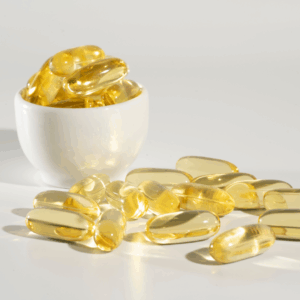
(Monash University, March 10, 2026) A large clinical trial found that dialysis patients who took daily fish oil supplements had a 43% lower risk of major cardiovascular events. The results suggest omega-3 fatty acids may offer a rare and effective way to reduce heart risks in this vulnerable population. Credit: Shutterstock
A daily fish oil supplement may help lower the risk of serious cardiovascular complications in people undergoing dialysis for kidney failure. The finding comes from a large international clinical trial jointly led in Australia by Monash Health and the School of Clinical Sciences at Monash University.
The research, known as the PISCES trial, included 1,228 participants receiving dialysis treatment at 26 sites across Australia and Canada. The results were presented at the American Society of Nephrology Kidney Week 2025 and published in The New England Journal of Medicine.
Major Clinical Trial Shows 43 Percent Drop in Serious Heart Events
Participants who took four grams of fish oil each day experienced significantly fewer major cardiovascular events than those who received a placebo. The supplement contained the omega-3 fatty acids EPA and DHA, which are naturally found in fish oil.
Overall, the group taking fish oil had a 43 percent lower rate of serious cardiovascular events. These included heart attack, stroke, cardiac death and vascular related amputations.
Adjunct Professor Kevan Polkinghorne, a nephrologist at Monash Health and adjunct in the School of Clinical Sciences, led the Australian portion of the trial.
“Patients on dialysis have extremely high cardiovascular risk, and very few therapies have been shown to reduce that risk,” Professor Polkinghorne said. “In a field where many trials have been negative, this is a significant finding.
“Dialysis patients typically have much lower levels of EPA and DHA than the general population. This may help explain the magnitude of benefit observed in this group.”
Findings Apply Specifically to Hemodialysis Patients
Professor Polkinghorne emphasized that the results apply specifically to people undergoing haemodialysis for kidney failure. He noted that the findings should not be generalized to healthy individuals or to other groups of patients.
The Australian portion of the study received support from the National Health and Medical Research Council (NHMRC). Trial coordination was managed by the Australasian Kidney Trials Network (AKTN). About 200 participants from Australia took part in the study, including 44 treated at Monash Health.
The international leadership of the PISCES trial was provided by Professor Charmaine Lok and colleagues from the University Health Network in Toronto and the University of Calgary.
Materials provided by Monash University.
Measure Your Vitamin D Levels, Include Omegas to Save 15% with Code OMEGA3S

Create your custom home blood spot kit to help determine if you are getting enough of the following nutrients shown to benefit overall health, along with other measures, including:
 Vitamin D
- Omega-3 Index plus Omega-3:Omega-6 and AA:EPA Ratios
- Magnesium (plus Zinc, Copper, Selenium, Lead, Cadmium & Mercury)
- hsCRP
- HbA1c
- Type 1 Diabetes Autoantibodies
- TSH
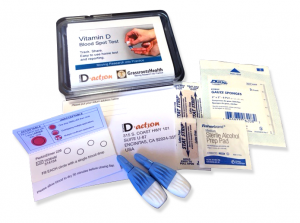 Vitamin D
Enroll and test your levels today, learn what steps to take to improve your status of omega-3s, vitamin D and other nutrients and blood markers, and take action! By enrolling in the GrassrootsHealth projects, you are not only contributing valuable information to everyone, you are also gaining knowledge about how you could improve your own health through measuring and tracking your nutrient status, and educating yourself on how to improve it.
Journal Reference:
- Charmaine E. Lok, Michael Farkouh, Brenda R. Hemmelgarn, Louise M. Moist, Kevan R. Polkinghorne, George Tomlinson, Paul Tam, Marcello Tonelli, Jacob A. Udell. Fish-Oil Supplementation and Cardiovascular Events in Patients Receiving Hemodialysis. New England Journal of Medicine, 2026; 394 (2): 128 DOI: 10.1056/NEJMoa2513032