

Published on April 23, 2026
A new study strongly supports the idea that optimizing vitamin D status may be an important part of managing inflammatory bowel disease
Key Points
- Weekly vitamin D significantly improved symptoms and inflammation markers in patients with IBD.
- Vitamin D shifted immune responses toward tolerance and away from inflammatory reactivity.
- Beneficial gut bacteria increased while inflammatory bacterial patterns decreased.
- This study helps explain how vitamin D may support Crohn’s disease and ulcerative colitis management.

Inflammatory bowel disease (IBD), including Crohn’s disease and ulcerative colitis, affects millions of people worldwide and is characterized by chronic inflammation of the digestive tract. While medications often focus on suppressing inflammation, researchers are increasingly exploring deeper root causes, especially the relationship between the immune system and the gut microbiome.
A newly published 2026 study in Cell Reports Medicine provides important new insight into vitamin D’s role in this process. The researchers found that correcting low vitamin D levels in people with IBD improved disease activity, reduced inflammation, and shifted immune responses in ways that may help the body tolerate beneficial gut bacteria rather than attack them.
Vitamin D is Likely to Improve Immune Balance in IBD
Vitamin D is well known for supporting bone health, but it also acts as an immune-regulating hormone.
Many people with IBD are vitamin D deficient, and lower levels have previously been linked with worse symptoms, higher relapse risk, and increased intestinal inflammation.
This study helps to demonstrate the effects of vitamin D on immune regulation for individuals with IBD.
Study Design
Researchers followed 48 adults with Crohn’s disease or ulcerative colitis who had low vitamin D levels. Participants in this study began with an average baseline vitamin D level of just 18 ng/mL, a deficient level far below the range often associated with optimal health outcomes.
Participants received 50,000 IU oral vitamin D once weekly for 12 weeks. Blood, stool, immune cell, and microbiome samples were analyzed before and after treatment using advanced “multi-omics” technology, allowing researchers to study changes in:
- Gut bacteria
- Antibody responses
- Immune cells
- Inflammatory markers
- Gene-expression signaling pathways
Key Clinical Improvements
After 12 weeks of vitamin D supplementation, participants experienced meaningful improvements:
- Average vitamin D levels increased by 20 ng/mL
- Fecal calprotectin (a measure of intestinal inflammation) dropped by 722 µg/g
- Ulcerative colitis symptom score improved by 3.2 points
- Crohn’s disease activity score improved by 3.3 points
- Quality of life improved by 10.8 points
Vitamin D Helped the Immune System “Make Peace” With Gut Bacteria

One of the most fascinating findings involved two important antibodies: IgA and IgG.
Antibodies are proteins made by the immune system that recognize microbes and help determine whether the body responds peacefully or aggressively.
IgA – The Protective Gut Antibody
IgA is the dominant antibody found in the gut lining, saliva, mucus, and other mucosal surfaces. In the intestines, IgA helps:
- Coat bacteria without causing damaging inflammation
- Keep microbes contained within the gut
- Support a healthy balance of beneficial bacteria
- Prevent harmful organisms from attaching to the intestinal wall
IgA is essential because the gut contains trillions of microbes. The immune system must manage them carefully without overreacting.
IgG – A More Aggressive Antibody
IgG is the most common antibody in the bloodstream and is often involved in stronger immune defense responses. In the gut, increased IgG targeting of bacteria may signal that the immune system is reacting to microbes as threats rather than tolerating them. Higher IgG responses in IBD have been associated with:
- Greater inflammation
- Loss of immune tolerance
- Increased disease activity
- Immune attacks against gut bacteria
Effects of Vitamin D Treatment
After vitamin D treatment:
- IgA-coated bacteria increased by 17.9%
- IgG-bound bacteria decreased by 9.3%
This suggests vitamin D helped shift the immune system from an inflammatory posture toward a more balanced, protective, and tolerant relationship with the microbiome. In simple terms: more IgA and less IgG represent a calmer gut immune environment.
Beneficial Bacteria Increased
Vitamin D also increased immune interactions with several bacteria commonly associated with gut health, including:
- Lachnospiraceae
- Blautia
- Other short-chain fatty acid producing organisms
These microbes are often linked with lower inflammation, stronger gut barrier integrity, and healthier immune function. Meanwhile, vitamin D reduced immune targeting of bacteria from the Proteobacteria group, which are commonly associated with dysbiosis and inflammation.
BAFF Signaling Increased
Another important finding was improved BAFF signaling between immune cells. BAFF stands for B-cell Activating Factor. It is a signaling molecule that helps B cells survive, mature, and produce antibodies such as IgA.
B cells are the immune cells responsible for making antibodies. Healthy BAFF signaling can help the body generate appropriate mucosal immune protection. In other words, vitamin D increased BAFF communication between dendritic cells and B cells. This may help explain why IgA responses improved after treatment. In practical terms, vitamin D may have helped “coach” immune cells to produce a more protective gut antibody response rather than an inflammatory one.
Conclusions from the Study
There are four major findings that can be summarized from this study; vitamin D treatment resulted in:
- More protective IgA responses to gut bacteria
- Less inflammatory IgG activity
- Increased BAFF signaling between dendritic cells and B cells
- More gut-homing regulatory immune cells that help calm inflammation
Specific findings include:
- Serum 25(OH)D positively correlated with IgA-bound bacteria (r = 0.408, p < 0.0001)
- IgG-bound bacteria correlated with disease activity (r = 0.447, p < 0.0001)
- IgG-bound bacteria correlated with fecal calprotectin (r = 0.439, p < 0.0001)
- Vitamin D increased BAFF signaling between plasmacytoid dendritic cells and B cells
- Vitamin D increased α4β7+ regulatory B cells and T regulatory cells, suggesting enhanced gut-directed immune tolerance
This study strongly supports the idea that optimizing vitamin D status may be an important part of a broader strategy for managing inflammatory bowel disease. Vitamin D may help by:
- Reducing intestinal inflammation
- Supporting beneficial gut bacteria
- Improving immune balance
- Enhancing quality of life
- Lowering disease activity
When vitamin D levels rise, the immune system may become less reactive and more tolerant, especially in the gut, where immune balance is essential. For people with chronic inflammatory conditions such as IBD, knowing and optimizing vitamin D levels may offer meaningful benefits beyond conventional deficiency prevention.
Measure Your Vitamin D and Other Important Nutrients
If you haven’t had your vitamin D levels checked recently, now is the time! With so many Americans still falling short, awareness is the first step toward change.
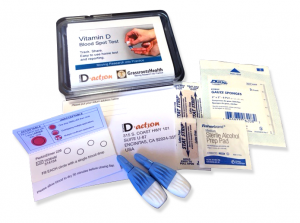
Measuring and calculating a supplementation amount to help reach and maintain a target level, or taking loading doses to correct deficiency faster, could possibly make all the difference in overall health, wellbeing, and how a current disease situation progresses. Test your level now!
Create your custom home blood spot kit by adding any of the following measurements, along with your vitamin D:
- Omega-3 Index (with or without Ratios AA:EPA and Omega-6:Omega-3)
- Magnesium (with additional Elements copper, zinc, selenium, mercury, and cadmium)
- hsCRP as a marker of inflammation and HbA1c as a marker of blood sugar health
Having and maintaining healthy vitamin D levels and other nutrient levels can help improve your health, now and for the future. Enroll and test your levels today, learn what steps to take to improve your status of vitamin D (see below) and other nutrients and blood markers, and take action! By enrolling in the GrassrootsHealth projects, you are not only contributing valuable information to everyone, you are also gaining knowledge about how you could improve your own health through measuring and tracking your nutrient status, and educating yourself on how to improve it.
How Can You Use this Information for YOUR Health?
Having and maintaining healthy vitamin D and other nutrient levels can help improve your health now and for your future. Measuring is the only way to make sure you are getting enough!
STEP 1 Order your at-home blood spot test kit to measure vitamin D and other nutrients of concern to you, such as omega-3s, magnesium, essential and toxic elements (zinc, copper, selenium, lead, cadmium, mercury); include hsCRP as a marker of inflammation or HbA1c for blood sugar health
STEP 2 Answer the online questionnaire as part of the GrassrootsHealth study
STEP 3 Using our educational materials and tools (such as our dose calculators), assess your results to determine if you are in your desired target range or if actions should be taken to get there
STEP 4 After 3-6 months of implementing your changes, re-test to see if you have achieved your target level(s)
You may also like
 Does your weight affect how much Omega-3 you need?
 Magnesium May Lower the Risk of Atrial Fibrillation
 Improved Menstrual Cycles and Increased Fertility with Vitamin D: New Findings from a Randomized Controlled Trial
 Covid, Long Covid, and Vaccine Side Effects – Prevention and Management with Vitamin D and More