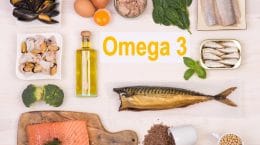
Omega-3 deficiency is a fast-evolving global health concern. It can lead to a higher risk of chronic disease, particularly heart disease, cognitive decline, and other health problems. Over 23,000 published research papers support positive...
Interested in joining D*action+Omega-3, but want to know more before doing so? Here are some commonly asked questions and answers about the project and the Omega-3 Index test. Q: What is the Omega 3...
Review of Research Paper Sunlight: For Better or For Worse? A Review of Positive and Negative Effects of Sun Exposure Han van der Rhee et al. Cancer Research Frontiers May 2016 Read Paper Researchers...
What is a minimum erythema dose? An “erythema dose” is used by doctors to define the amount of ultraviolet radiation, from the sun or ultraviolet lamp, which results in a reddening of the skin....
Studying Vitamin D Production and Skin Damage on 16 Individuals Concurrent beneficial (vitamin D production) and hazardous (cutaneous DNA damage) impact of repeated low‐level summer sunlight exposures S J Felton et al. British Journal...
The ultraviolet index or UV index is a measurement of the strength of the sun’s ultraviolet rays. It is 0 in the dark of night and 10-11 in the middle of a summer day...
Sunscreen – To Use or Not To Use, That is the Question As a health conscious individual or parent, all you hear from your doctor is – sunscreen, sunscreen, sunscreen! But is it that...
Could the sun be good for your heart? Although sunlight is a key factor in the development of skin cancer, the chance of death due to heart disease is far more likely than the...
Alexander Wunsch, MD Wismar University of Applied Sciences, Germany Watch this detailed presentation of why sunlight is good for you. The History of Light Therapy Until the 1950’s the sun was the most prescribed and...
What is the New York Times Writing About? On April 10th, 2017 the New York Times picked up the press release from the Journal of the American Medical Association, JAMA, and printed a story...