

Published on June 8, 2026

In case you missed our big event last month, the recording is now available for viewing!
GrassrootsHealth is pleased to announce that the recording of our recent event, Vitamin D Dosing Policy Update: An Expert Panel Discussion, is now available to watch on demand.
This special 3.5-hour event brought together leading vitamin D researchers, clinicians, public health experts, and policy advocates to examine how current vitamin D guidelines compare to today’s scientific evidence—and what changes may be needed to better protect public health.
Hosted by GrassrootsHealth Executive Director Jen Aliano, the discussion featured an exceptional panel of internationally recognized experts, including Dr. Michael Holick, Dr. Sunil Wimalawansa, Dr. William Grant, Dr. Edward Giovannucci, Dr. Bruce Hollis, Dr. Scott Weiss, Dr. Hooman Mirzakhani, Dr. Leigh Frame, Dr. Richard Cheng, Dr. Beth Sanford, and Dr. James Lyons-Weiler of IPAK EDU.
Throughout the event, panelists explored key topics including:
- The scientific foundations of vitamin D research
- The statistical mistake made when determining the guidelines
- Current policy challenges and opportunities
- Maternal and early-life vitamin D considerations
- Clinical and public health applications
- The evidence supporting updates to existing vitamin D guidelines
- Practical actions for healthcare professionals, researchers, and policymakers
Why This Discussion Matters
More than two decades of research have demonstrated that vitamin D plays a critical role in far more than bone health. Evidence continues to accumulate linking vitamin D status to immune function, pregnancy outcomes, cardiovascular health, metabolic health, cancer risk, autoimmune disease, mental health, and overall longevity.
Despite this growing body of evidence, many current public health recommendations and clinical practices continue to rely on vitamin D thresholds and dosing recommendations established years ago – recommendations that include a critical statistical error that has yet to be corrected. The purpose of this panel was to highlight this error, examine whether existing policies adequately reflect the current science, and to identify opportunities for improvement.
Major Themes from the Expert Panel
One of the strongest areas of consensus among the panelists was that vitamin D deficiency and insufficiency remain widespread, largely preventable, and associated with significant health consequences across the lifespan. The experts emphasized the importance of moving beyond a one-size-fits-all approach to vitamin D and toward individualized assessment and treatment strategies based on measured vitamin D status, body weight, health conditions, and personal response to supplementation.
A recurring theme throughout the discussion was the need to shift from simply recommending a blanket dose to adopting a “dose-to-target” approach—monitoring blood levels and adjusting supplementation until an appropriate serum 25(OH)D concentration is achieved.
Key Policy Recommendations Discussed
The panel highlighted several recommendations that warrant serious consideration by healthcare organizations, researchers, and policymakers:
Reevaluate Vitamin D Sufficiency Thresholds
Panelists discussed evidence supporting a minimum serum 25(OH)D range of approximately 40–60 ng/mL as a reasonable sufficiency target, while recognizing that many individuals and specific health conditions may benefit from higher levels.
Update Safe Upper Intake Guidelines
The experts reviewed evidence supporting a higher safe upper intake level than currently reflected in many guidelines, noting that existing limits do not adequately account for individual variability, obesity, pregnancy, or therapeutic applications.
Emphasize Individualized Dosing
Rather than prescribing identical doses for all individuals, the panel recommended considering body weight, BMI, baseline vitamin D status, and personal response when determining supplementation needs. Obese individuals may require substantially higher doses to achieve the same blood levels as lean individuals.
Adopt a “Dose-to-Target” Model
Testing, supplementation, retesting, and dose adjustment should become standard practice in both clinical care and research settings to ensure that target vitamin D levels are actually achieved.
Expand Testing and Preventive Care
Greater insurance coverage for vitamin D testing and broader integration into preventive healthcare were identified as important steps toward reducing deficiency rates across the population.
Improve Medical Education
Panelists also emphasized the need for enhanced education of healthcare professionals regarding vitamin D physiology, deficiency risk factors, interpretation of laboratory results, and individualized supplementation strategies.
Special Focus: Pregnancy and Early Life
A particularly important topic discussed during the event was critical role of vitamin D in pregnancy, lactation, and infancy. Experts highlighted that maternal vitamin D status directly influences the developing fetus and breastfed infant, making these developmental periods uniquely important windows for prevention and optimization. The panel noted that pregnancy and early infancy may represent some of the greatest opportunities for long-term health impact through improved vitamin D status, with implications for maternal health, fetal development, infant health, immune programming, and future disease risk.
As a result, panelists emphasized the importance of proactive assessment and optimization of vitamin D status during these critical life stages.
Whether you are a healthcare professional, researcher, policymaker, educator, or health-conscious individual, this discussion provides a comprehensive overview of the latest evidence and the growing conversation surrounding vitamin D policy reform. We invite you to watch the full recording and share it with colleagues, healthcare providers, and decision-makers who are interested in advancing evidence-based approaches to vitamin D and public health.
Together, we can continue moving research into practice and working toward a future where vitamin D deficiency is no longer a widespread public health problem.
Learn more about the event here.
Are You Getting Enough Vitamin D & Other Health Boosting Nutrients?
Measuring our levels of vitamin D and other important nutrients and health markers can be considered one way to check-in with our health status and guide us towards the steps to take next in improving and supporting our health.
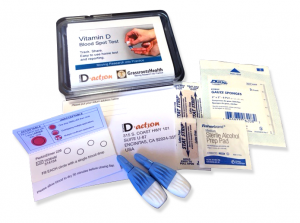 Having and maintaining healthy vitamin D levels and other nutrient levels can help improve your health now and for your future. Choose which to measure, such as your vitamin D, omega-3s, and essential minerals including magnesium and zinc, by creating your custom home test kit today. Take steps to improve the status of each of these measurements to benefit your overall health. You can also track your own intakes, symptoms and results to see what works best for YOU.
Enroll and test your levels today, learn what steps to take to improve your status of vitamin D (see below) and other nutrients and blood markers, and take action! By enrolling in the GrassrootsHealth projects, you are not only contributing valuable information to everyone, you are also gaining knowledge about how you could improve your own health through measuring and tracking your nutrient status, and educating yourself on how to improve it.
How Can You Use this Information for YOUR Health?
Having and maintaining healthy vitamin D and other nutrient levels can help improve your health now and for your future. Measuring is the only way to make sure you are getting enough!
STEP 1 Order your at-home blood spot test kit to measure vitamin D and other nutrients of concern to you, such as omega-3s, magnesium, essential and toxic elements (zinc, copper, selenium, lead, cadmium, mercury); include hsCRP as a marker of inflammation or HbA1c for blood sugar health
STEP 2 Answer the online questionnaire as part of the GrassrootsHealth study
STEP 3 Using our educational materials and tools (such as our dose calculators), assess your results to determine if you are in your desired target range or if actions should be taken to get there
STEP 4 After 3-6 months of implementing your changes, re-test to see if you have achieved your target level(s)