Lead is a metal from the earth’s crust that has been used in numerous products such as paint, pipes, gasoline, and batteries. With the discontinuation of lead-based paint and leaded gasoline in most countries,...
In April of 2017, as part of the D*action questionnaire completed by all participants with each vitamin D test, GrassrootsHealth began to gather information about cholesterol, with questions such as: Have you had your...
Cadmium, which is classified as a group 1 human carcinogen, is a soft, silver-white metal that is found in the earth’s crust. Cadmium can be found in the food and water supply, but in...
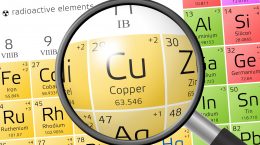
Copper is an essential enzyme co-factor that helps keep bones, skin, nerves, and the immune system healthy and working properly. Copper is essential for the formation of collagen, a main component of connective tissue,...
Zinc is a key cofactor for approximately 3,000 proteins and enzymes in the body. It is necessary for growth and development, immune function, bone metabolism, and central nervous system function. Zinc is a mineral...
Selenium is an essential nutrient with antioxidant properties that plays a key role in thyroid function, reproduction, and DNA synthesis. Studies have found an association between higher selenium status and a lower risk of...
Chronic, low-level inflammation has been linked to a number of chronic diseases including cardiovascular disease, dementia, and diabetes. The higher the inflammation levels, the higher the risk of developing chronic disease. Multiple studies have...
Magnesium is a mineral essential for many functions within the body including blood pressure regulation, bone health, blood glucose control, and vitamin D activation. Magnesium deficiency is common world-wide and low magnesium levels have been...
Sunlight and supplements are well known sources of vitamin D, but other sources of UV light, such as indoor tanning, can also effectively raise vitamin D levels. In addition to sun exposure habits, we...
The GrassrootsHealth panel of expert scientists’ recommended range of vitamin D levels for general health is 40-60 ng/ml (100-150 nmol/L). This is based on overwhelming evidence about the association between vitamin D and many...