
You’ve Got Your Results… Now What?
In a previous post, we focused on the importance of testing to measure where you are NOW. Without the knowledge of where you are, it is impossible to know what steps need to be...


In a previous post, we focused on the importance of testing to measure where you are NOW. Without the knowledge of where you are, it is impossible to know what steps need to be...

Atrial fibrillation (also called Afib or AF), is an irregular, often rapid heart rate that can cause symptoms such as heart palpitations, shortness of breath, and weakness. It affects an estimated 2.7 million Americans...

In our last post about magnesium, we discussed magnesium intake and the high proportion of the population whose intake from the diet is well below the recommended daily intake level. Today, we will talk...
Getting enough magnesium can make a difference in how vitamin D affects certain health outcomes Key Points Magnesium is an important co-nutrient for vitamin D, and is needed to help vitamin D carry out...

Mercury is one of the most toxic heavy metals and exists in multiple forms including elemental mercury, inorganic mercury, and organic mercury. Potential health effects of mercury exposure depends on many factors, including the...

Lead is a metal from the earth’s crust that has been used in numerous products such as paint, pipes, gasoline, and batteries. With the discontinuation of lead-based paint and leaded gasoline in most countries,...

Cadmium, which is classified as a group 1 human carcinogen, is a soft, silver-white metal that is found in the earth’s crust. Cadmium can be found in the food and water supply, but in...
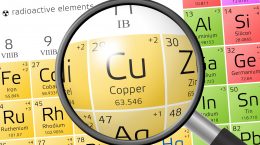
Copper is an essential enzyme co-factor that helps keep bones, skin, nerves, and the immune system healthy and working properly. Copper is essential for the formation of collagen, a main component of connective tissue,...
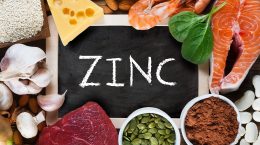
Zinc is a key cofactor for approximately 3,000 proteins and enzymes in the body. It is necessary for growth and development, immune function, bone metabolism, and central nervous system function. Zinc is a mineral...

Selenium is an essential nutrient with antioxidant properties that plays a key role in thyroid function, reproduction, and DNA synthesis. Studies have found an association between higher selenium status and a lower risk of...