Anticancer Effects of Vitamin D
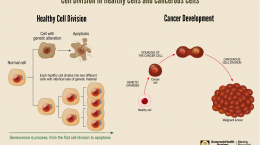
How does vitamin D work to help prevent cancer? Here is a simplified explanation of the multiple ways vitamin D can help the body to fight cancer. Over 40 years ago, Dr. Cedric Garland...


How does vitamin D work to help prevent cancer? Here is a simplified explanation of the multiple ways vitamin D can help the body to fight cancer. Over 40 years ago, Dr. Cedric Garland...

Meta-analysis shows beneficial effects of vitamin D supplementation for patients with colorectal cancer As the third most common cancer world-wide, colorectal cancer affects millions of lives each year, with approximately 860,000 deaths annually. Several...

Research has shown, and continues to show, the relationships between intakes and status of certain nutrients, such as omega-3s and vitamin D, to health outcomes and disease mortality. We have previously discussed the decreased...

There is much research on the relationship between vitamin D and cancer incidence – but what about sunshine? Studies covered in a recent post on sunshine exposure and mortality illustrated the relationship between higher...
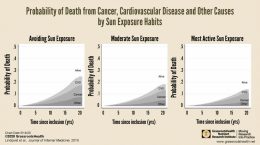
Current public health recommendations advise against sun exposure because it has been associated with an increased risk for skin cancer. While true for people with fair skin and a history of repeated sun burns,...

There are many studies that have shown the connection between breast cancer and vitamin D, starting with the epiphany of the Garland Brothers when they first drove across the country in 1974, and then...

Low levels of vitamin D have been consistently linked to an increased risk of inflammatory diseases, such as cardiovascular disease, arthritis, multiple sclerosis (MS), and sepsis. Also common among inflammatory based diseases is the...

Inflammation is a known contributing factor to many diseases and is often measured by C-reactive protein (CRP), one of the best markers of inflammation, especially for inflammation caused by bacterial infection or tissue damage....

Our last two posts highlighted the prevalence of vitamin D deficiency among blacks and demonstrated the immense health potentials of correcting the deficiency. Today we answer one of the key parts of the question...

There is a branch of the National Institutes of Health, the medical research agency of the United States, called the National Institute on Minority Health and Health Disparities (NIMHD) whose charter is to lead...