

Severe vitamin D deficiency is associated with a higher rate of hospitalisation for respiratory tract infections such as bronchitis and pneumonia, according to a new study led by the University of Surrey. Scientists found that those with a severe deficiency (below 15 nnmol/L) were 33 per cent more likely to be admitted to hospital for treatment than those with sufficient levels of vitamin D (at least 75 nmol/L).
Key Points
- A study led by the University of Surrey found that severe vitamin D deficiency (below 15 nmol/L) was linked to a 33% higher risk of hospitalisation for serious respiratory tract infections like pneumonia and bronchitis compared with sufficient levels (≥75 nmol/L).
- Researchers analysed data from 36,258 UK Biobank participants to investigate the association between vitamin D status and hospital admissions due to respiratory infections.
- For every 10 nmol/L increase in vitamin D levels, the rate of hospitalisation for respiratory tract infections decreased by about 4%.
- The findings suggest that raising vitamin D levels, particularly through supplementation in winter months, could potentially help reduce serious respiratory infections, especially in older adults and populations at higher risk of deficiency.
 (University of Surrey, January 21, 2026) — In the largest study of its kind, analysing NHS data from the UK Biobank, researchers from Surrey, in collaboration with the University of Reading and University of Oxford, investigated the association between vitamin D status and the rate of hospitalisation due to respiratory tract infections. Middle and older-aged adults are at a high risk of developing respiratory tract infections, with lower respiratory tract infections (pneumonia and bronchitis) ranking amongst the top 20 leading causes of mortality globally for individuals aged 50-74 years and in the top 10 for those aged 75 years and older.
“Vitamin D is vital to our physical wellbeing. Not only does it keep our bones and muscles healthy, its antibacterial and antiviral properties are also thought to help reduce the risk of respiratory tract infections that can lead to hospitalisation. This research attaches hard data to support the theory. Despite its importance to our overall health, many people are deficient and do not meet the government’s recommended intake of 10 micrograms of vitamin D per day.
“Supplementation of the vitamin, especially in the winter months when our exposure to sunlight is limited, is an effective way of increasing vitamin D and reducing the risk of serious respiratory tract infections. This is particularly important for older people who are at higher risk of death from such infections, and ethnic minority communities in the UK, who are at a higher risk of vitamin D deficiency.”
~Abi Bournot, BBSRC Food Biosystems PhD Research Fellow and Lead Author at the University of Surrey
Examining data from 36,258 participants from the UK Biobank, researchers found that those with severe vitamin D deficiency (below 15 nmol/L) had a 33 per cent higher rate of hospitalisation for a respiratory tract infection, compared to those who had vitamin D levels of 75 nmol/L or greater. Scientists also found that for each 10 nmol/L increase in vitamin D, the hospitalisation rate for respiratory tract infections decreased by four per cent.
“Respiratory tract infections are a major threat to public health globally. Not only can they make an individual feel very unwell in many cases, they can also lead to hospitalisation which puts strain on an already stretched health service.
“Our findings of a significant association between increased vitamin D levels in our bodies and reduced hospital admission rates warrants further study, and points to the potential for vitamin D supplementation and consumption of vitamin D fortified foods to reduce the risk of hospitalisation with respiratory infections in the future, and therefore mitigate pressures on the NHS.”
~ Dr Andrea Darling, Postdoctoral Researcher
This study was published in The American Journal of Clinical Nutrition
Notes to editors:
Abi Bournot and Prof Susan Lanham-New are available for interview on request.
For more information, please email [email protected]
###
Measure Your Vitamin D Levels, Include Omegas to Save 15% with Code OMEGA3S

Create your custom home blood spot kit to help determine if you are getting enough of the following nutrients shown to benefit overall health, along with other measures, including:
 Vitamin D
- Omega-3 Index plus Omega-3:Omega-6 and AA:EPA Ratios
- Magnesium (plus Zinc, Copper, Selenium, Lead, Cadmium & Mercury)
- hsCRP
- HbA1c
- Type 1 Diabetes Autoantibodies
- TSH
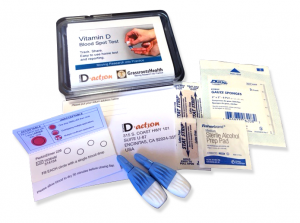 Vitamin D
Enroll and test your levels today, learn what steps to take to improve your status of omega-3s, vitamin D and other nutrients and blood markers, and take action! By enrolling in the GrassrootsHealth projects, you are not only contributing valuable information to everyone, you are also gaining knowledge about how you could improve your own health through measuring and tracking your nutrient status, and educating yourself on how to improve it.