
Published on February 11, 2026
Take Charge of Your Mental Health: Testing and Personalizing Omega-3 Support
Key Points
- Not all omega-3s are equal: EPA shows stronger benefits for mood than DHA, especially in depression.
- Measurement matters: The omega-3 index helps determine who is likely to benefit from supplementation.
- Dietary balance counts: A high omega-6:omega-3 ratio may blunt omega-3’s effects on mood.
- Inflammation connection: Omega-3s appear most effective in people with elevated inflammatory markers.
- Explaining mixed results: Many inconsistent study findings may be due to lack of baseline testing.
- Precision approach: Testing omega-3 status and dietary balance supports more personalized mental health strategies.

When people hear “omega-3s,” they often think of heart health or fish oil supplements. But a growing body of research, including a new 2026 critical narrative review by Lastretti et al. (2026), shows that omega-3 fatty acids play an important role in brain function, inflammation regulation, and mood disorders.
Depression and other mood disorders are complex, multifactorial conditions. While medications and therapy remain optional tools, nutrition is increasingly recognized as a meaningful piece of the mental health puzzle.
Previous research has consistently shown that nutritional status matters for mental health outcomes. Previous studies demonstrate that maintaining adequate vitamin D levels is associated with significantly lower risk of depression, reduced suicide risk, and broader benefits for brain and cardiovascular health, highlighting vitamin D as a foundational nutrient for mood regulation. Similarly, earlier studies on omega-3 fatty acids have linked higher intakes, particularly EPA-rich formulations, to improvements in depressive symptoms, especially in individuals with inflammation or clinically diagnosed depression, suggesting that omega-3s are not universally effective but may be highly beneficial in targeted populations. Together, these findings reinforce the concept that both vitamin D and omega-3s play complementary, biologically plausible roles in supporting mental health when status, dose, and individual context are considered.
What this new research shows is that omega-3s can help, but it may depend on the right people receiving the right form, at the right dose, and within the right dietary context.
Omega-3s and Brain Function
Omega-3 fatty acids, particularly EPA (eicosapentaenoic acid) and DHA (docosahexaenoic acid), are structural components of brain cell membranes and influence:
- Neurotransmitter signaling
- Neuroinflammation
- Cell membrane fluidity
- Stress and immune responses
The new review highlights that EPA-predominant formulations are consistently associated with improvements in depressive symptoms, especially when used alongside standard treatments.
DHA alone, while essential for brain structure, shows less consistent effects on mood.
Why the Omega-3 Index Matters
Similar to vitamin D research, one of the most important insights from the review is how rarely studies measure baseline and achieved omega-3 status.
The omega-3 index reflects the percentage of EPA and DHA in red blood cell membranes and serves as a reliable indicator of long-term omega-3 intake and tissue availability.
Without measuring it:
- People with already adequate omega-3 levels may be grouped with deficient individuals
- True responders and non-responders are difficult to distinguish
- The dose-response varies between individuals, similar to the vitamin D dose-response
- “Lack of benefit” may simply reflect no deficiency to correct or deficiency not corrected
The review suggests that future research and clinical care should treat omega-3 status the same way we treat other biomarkers: measure first, intervene second.
The Omega-6:Omega-3 Ratio and Mood
Omega-3s do not act in isolation. Their effects are strongly influenced by diet, especially omega-6 fatty acid intake. Modern Western diets often contain excessive omega-6 fats, leading to omega-6:omega-3 ratios of 15–20:1, compared to much lower ratios in traditional diets.
This imbalance:
- Promotes chronic low-grade inflammation
- Competes with omega-3s for metabolic pathways
- May reduce omega-3’s impact on brain and immune signaling
The review emphasizes that failing to account for omega-6 intake may explain why some omega-3 trials show weak or inconsistent results.
Inflammation, Depression, and Who Benefits Most
One of the strongest and most consistent findings across studies is that omega-3s, especially EPA, appear most effective in individuals with elevated inflammatory markers, such as CRP or pro-inflammatory cytokines.
This supports the concept of inflammation-associated depression, a subtype often linked with:
- Treatment resistance
- Fatigue and slowed cognition
- Metabolic dysfunction
In these individuals, omega-3 supplementation appears to reduce inflammatory signaling that may interfere with neurotransmitter function and mood regulation.
Measure Inflammation to Support Mental Health
Omega-3s are most effective for mood and brain health when we understand individual inflammation levels. Testing can reveal whether inflammation may be contributing to mood challenges and guide a precision nutrition approach, including targeted omega-3 supplementation.
GrassrootsHealth’s Inflammation Panel Test Kit allows you to:
- Assess the key inflammatory marker hsCRP along with the status of both omega-3s and omega-6s
- Understand how inflammation and diet may impact mood, cognition, and overall health
- Track changes over time to see if lifestyle, diet, or supplementation is making a difference
Special Offer: This month the Inflammation Panel test kit is 15% off!
Order the Inflammation Panel Test Kit
Why Omega-3 Deficiency and Imbalance Are So Common
Despite widespread supplement use, omega-3 insufficiency remains common due to:
- Low intake of fatty fish
- High omega-6 consumption
- Variable absorption and metabolism
- Genetic differences affecting fatty acid conversion
Without testing, many people assume they are “covered” nutritionally—when in reality, their omega-3 index remains suboptimal.
Supporting Mental Health with a Precision Nutrition Approach
Omega-3s are not a stand-alone treatment for mood disorders, but research increasingly supports their role as part of a personalized, biology-informed strategy, including:
- Measuring omega-3 index
- Assessing omega-6:omega-3 ratio
- Identifying inflammatory markers
- Using EPA-predominant formulations when appropriate
This approach helps move beyond generalized advice and toward targeted support based on individual need.
The Takeaway
Omega-3s are not just supplements, they are powerful biological signals that interact with inflammation, brain chemistry, and diet.
This latest research suggests the real question is no longer whether omega-3s support mood, but for whom, under what conditions, and how we measure success.
By shifting toward testing, context, and personalization, omega-3s may play a more meaningful role in supporting mental health, both in research and in real life.
Measure Your Levels Today and Save 15%!
Measure Your Vitamin D and Other Important Nutrients
If you haven’t had your vitamin D levels checked recently, now is the time! With so many Americans still falling short, awareness is the first step toward change.
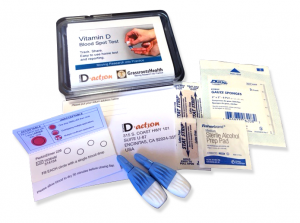
Measuring and calculating a supplementation amount to help reach and maintain a target level, or taking loading doses to correct deficiency faster, could possibly make all the difference in overall health, wellbeing, and how a current disease situation progresses. Test your level now!
Create your custom home blood spot kit by adding any of the following measurements, along with your vitamin D:
- Omega-3 Index (with or without Ratios AA:EPA and Omega-6:Omega-3)
- Magnesium (with additional Elements copper, zinc, selenium, mercury, and cadmium)
- hsCRP as a marker of inflammation and HbA1c as a marker of blood sugar health
Having and maintaining healthy vitamin D levels and other nutrient levels can help improve your health, now and for the future. Enroll and test your levels today, learn what steps to take to improve your status of vitamin D (see below) and other nutrients and blood markers, and take action! By enrolling in the GrassrootsHealth projects, you are not only contributing valuable information to everyone, you are also gaining knowledge about how you could improve your own health through measuring and tracking your nutrient status, and educating yourself on how to improve it.
How Can You Use this Information for YOUR Health?
Having and maintaining healthy vitamin D and other nutrient levels can help improve your health now and for your future. Measuring is the only way to make sure you are getting enough!
STEP 1 Order your at-home blood spot test kit to measure vitamin D and other nutrients of concern to you, such as omega-3s, magnesium, essential and toxic elements (zinc, copper, selenium, lead, cadmium, mercury); include hsCRP as a marker of inflammation or HbA1c for blood sugar health
STEP 2 Answer the online questionnaire as part of the GrassrootsHealth study
STEP 3 Using our educational materials and tools (such as our dose calculators), assess your results to determine if you are in your desired target range or if actions should be taken to get there
STEP 4 After 3-6 months of implementing your changes, re-test to see if you have achieved your target level(s)