

Published on December 2, 2025
New meta-analysis of 32 clinical trials finds omega-3 fatty acids reduce post-surgical infections and strengthen immune function
Key Points
- Omega-3 supplementation reduced postoperative infections by 58% in gastric cancer patients.
- Increased CD4+ T cells and a better CD4/CD8 ratio, markers of enhanced immune recovery, were seen among those given omega-3s.
- Patients given omega-3s recovered faster, an average of 1.3 fewer hospital days.
- The greatest benefits occurred when omega-3s were started before or immediately after surgery and continued for 7–10 days.
Measure Your Omega-3 Levels with Vitamin D – Save 15% with Code Omega3s

Vitamin D isn’t the only nutrient that has been shown to reduce infections and improve post-surgery outcomes. Omega-3 fatty acids also play a powerful role in healing, with new findings showing better recovery after gastric (stomach) cancer surgery, according to a new comprehensive review published in BMC Cancer (2025) by Yue et al.
The study pooled data from 32 randomized controlled trials involving 2,404 patients, making it the largest and most robust meta-analysis to date on omega-3s and gastric cancer surgery outcomes. The researchers found consistent evidence that omega-3 supplementation improves immune function and reduces complications in surgical patients.
Omega-3s and Post-Surgical Infections: A Strong Protective Effect
Surgery for gastric cancer often triggers inflammation, immune suppression, and infection risk. The meta-analysis revealed that omega-3 supplementation cut the rate of postoperative infections by more than half (RR = 0.42).
These protective effects were seen whether omega-3s were given through IV or oral feeding. The review’s trial-sequential analysis confirmed that this finding was statistically robust, ruling out false positives and emphasizing omega-3’s reliable benefit for surgical recovery.
Enhanced Immunity: Omega-3s Strengthen the Body’s Defense System
Beyond reducing infection, omega-3 fatty acids were found to enhance immune recovery by increasing levels of CD4+ T cells, key immune cells that help coordinate the body’s defense response.
Patients who received omega-3s also showed a higher CD4/CD8 ratio, suggesting better-balanced immune regulation during the stress of surgery and healing. These findings support omega-3s’ anti-inflammatory and immunomodulatory effects, helping the body recover from both cancer and surgery-related stress.
Faster Recovery and Shorter Hospital Stay
Patients who received omega-3 supplementation had shorter hospital stays, averaging about 1.3 fewer days than those receiving standard nutrition. While this outcome had slightly lower certainty due to study variability, the overall pattern was consistent: omega-3s support faster recovery and fewer complications.
Best Practices and Future Directions
The benefits of omega-3s were most evident when supplementation started preoperatively or immediately postoperatively and continued for 7–10 days. Longer interventions (>10 days) showed diminishing returns, possibly because patients needing extended nutrition were already more ill or had complications.
The authors note that omega-3s appear safe and well-tolerated, though monitoring is advised for those with bleeding risks or other post-surgical sensitivities. Future research should examine how omega-3s might affect long-term outcomes such as cancer recurrence, survival, and interactions with the gut microbiome, which also plays a key role in immunity.
Omega-3s aren’t just good for your heart—they appear to also be an important ally in surgical recovery and immune resilience, especially for those facing major procedures like gastric cancer surgery.
If you’re planning or recovering from surgery, or simply want to support your body’s natural healing processes, talk with your healthcare provider about omega-3 testing and supplementation as part of a comprehensive nutrition plan. Measure your Omega-3 Index as an indicator of your omega-3 status through GrassrootsHealth, and use our calculator to determine a dose that is correct for you.

Measure Your Vitamin D and Other Important Nutrients – Get 15% Off when Including Omega-3s with Code OMEGA3S
If you haven’t had your vitamin D levels checked recently, now is the time! With so many Americans still falling short, awareness is the first step toward change.
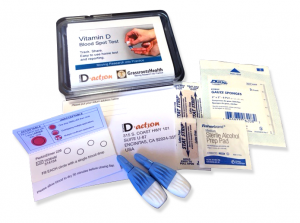
Measuring and calculating a supplementation amount to help reach and maintain a target level, or taking loading doses to correct deficiency faster, could possibly make all the difference in overall health, wellbeing, and how a current disease situation progresses. Test your level now!
Create your custom home blood spot kit by adding any of the following measurements, along with your vitamin D:
- Omega-3 Index (with or without Ratios AA:EPA and Omega-6:Omega-3)
- Magnesium (with additional Elements copper, zinc, selenium, mercury, and cadmium)
- hsCRP as a marker of inflammation and HbA1c as a marker of blood sugar health
Having and maintaining healthy vitamin D levels and other nutrient levels can help improve your health, now and for the future. Enroll and test your levels today, learn what steps to take to improve your status of vitamin D (see below) and other nutrients and blood markers, and take action! By enrolling in the GrassrootsHealth projects, you are not only contributing valuable information to everyone, you are also gaining knowledge about how you could improve your own health through measuring and tracking your nutrient status, and educating yourself on how to improve it.
How Can You Use this Information for YOUR Health?
Having and maintaining healthy vitamin D and other nutrient levels can help improve your health now and for your future. Measuring is the only way to make sure you are getting enough!
STEP 1 Order your at-home blood spot test kit to measure vitamin D and other nutrients of concern to you, such as omega-3s, magnesium, essential and toxic elements (zinc, copper, selenium, lead, cadmium, mercury); include hsCRP as a marker of inflammation or HbA1c for blood sugar health
STEP 2 Answer the online questionnaire as part of the GrassrootsHealth study
STEP 3 Using our educational materials and tools (such as our dose calculators), assess your results to determine if you are in your desired target range or if actions should be taken to get there
STEP 4 After 3-6 months of implementing your changes, re-test to see if you have achieved your target level(s)