

Published on March 12, 2026
Deficiency Signs and Symptoms, and Why Now Is the Time to Test
Key Points
- Vitamin D levels typically reach their lowest point of the year during late winter and early spring due to months of reduced sunlight exposure and limited UVB availability.
- Because vitamin D regulates many systems in the body, deficiency can manifest through a wide range of subtle symptoms including fatigue, muscle pain, mood changes, poor sleep, and frequent infections.
- These symptoms are often overlooked or attributed to other causes, which is why vitamin D deficiency remains one of the most common and under-recognized nutritional deficiencies worldwide.
- Testing serum 25-hydroxyvitamin D [25(OH)D] at this time of year provides valuable insight into whether vitamin D intake and supplementation have been sufficient to maintain healthy levels year-round – or if adjustments should be made throughout the seasons.

By this time of year, many people have been struggling with the effects of winter, including months of limited sun exposure. What many don’t realize is that this is also the time of year when vitamin D levels are typically at their lowest.
Vitamin D is primarily produced in the skin through exposure to sunlight. During the winter months, shorter days, colder temperatures, indoor lifestyles, and reduced UVB intensity, especially at northern latitudes. These factors significantly limit the body’s ability to produce vitamin D. By the time late winter and early spring arrive, especially among those not supplementing properly, many people’s vitamin D levels have dropped drastically.
This is why data has consistently shown that population vitamin D levels reach their annual low point at the end of winter and early spring. In fact, an analysis of almost 4,000 GrassrootsHealth participants who tested their vitamin D levels and reported that they did not take vitamin D supplements showed that vitamin D levels peaked in the month of August and declined to their lowest levels during the winter months of January through March.
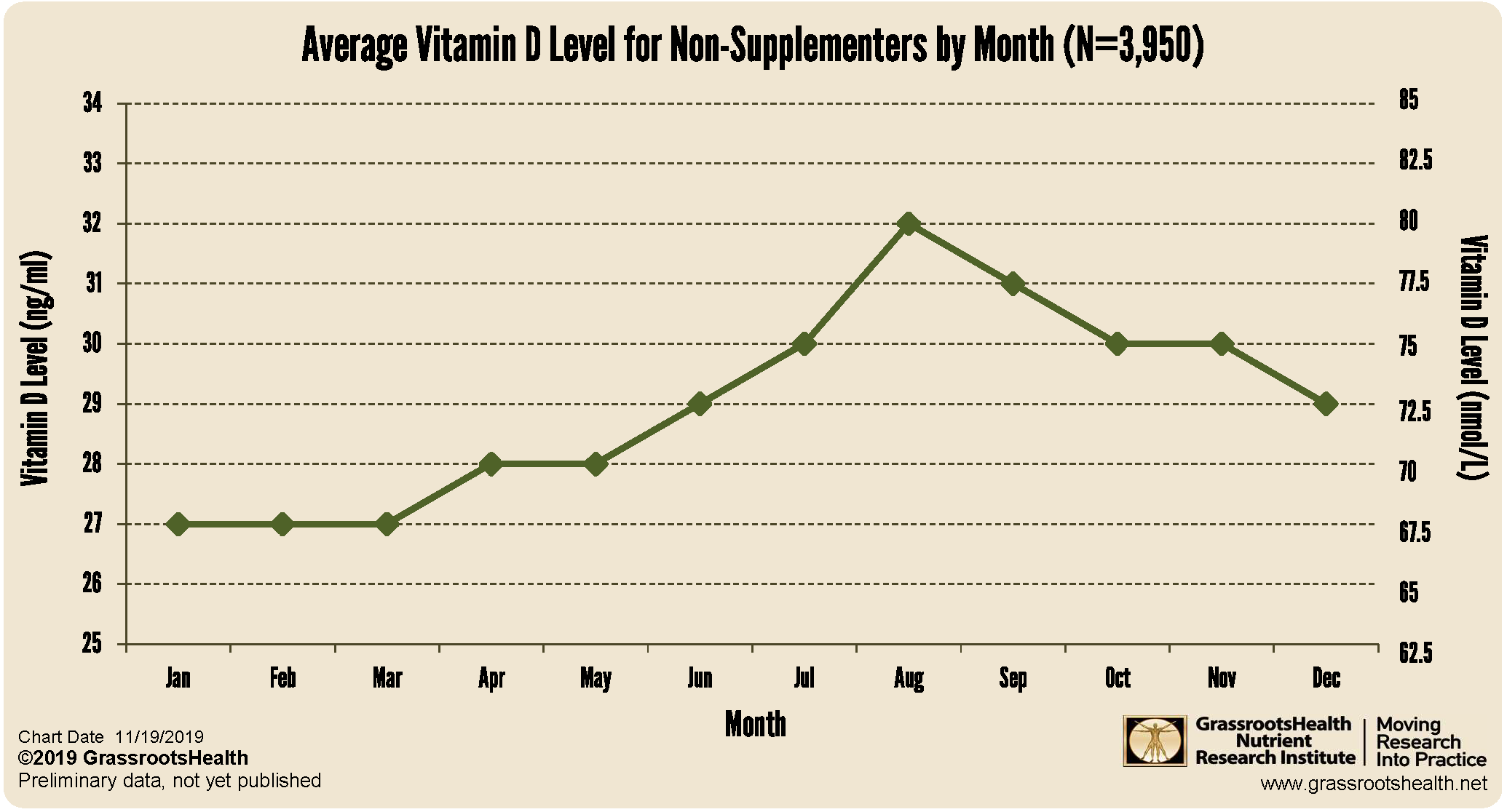
For clinicians and individuals alike, this makes now one of the most important times of the year to test vitamin D levels.
Often Subtle and Easily Missed Signs of Deficiency
Vitamin D deficiency remains one of the most common nutritional deficiencies worldwide. Yet its symptoms are often subtle, nonspecific, and easily overlooked because they can be non-specific and easily attributed to other conditions such as aging, stress, depression, or chronic fatigue. In reality, vitamin D plays an important regulatory role in many systems of the body, including:
- Immune function
- Muscle metabolism
- Bone health
- Brain function and mood regulation
- Hormonal and metabolic processes
When vitamin D levels fall too low, these systems can begin to show signs of dysfunction. Research has identified a wide range of clinical manifestations associated with low vitamin D status.
Common Early Signs of Vitamin D Insufficiency
In the early stages of deficiency, symptoms may be subtle and easily overlooked. Some of the most commonly reported early signs include:
- Persistent fatigue or low energy
- Reduced exercise tolerance
- Poor sleep quality or insomnia
- Muscle aches or diffuse body pain
- Frequent infections
- Brain fog or difficulty concentrating
- Mood changes such as depression or anxiety
Fatigue and generalized muscle pain are among the most common presenting symptoms of vitamin D deficiency in clinical practice. Because these symptoms overlap with many other health issues, vitamin D deficiency is often not considered, and testing is overlooked.
Musculoskeletal Effects of Vitamin D Deficiency
Vitamin D plays a direct role in muscle strength and skeletal integrity through its activation of vitamin D receptors (VDR) in muscle and bone tissue. As deficiency progresses, symptoms may include:
- Proximal muscle weakness (difficulty climbing stairs or rising from a chair)
- Recurrent muscle strains or injuries
- Impaired balance
- Increased risk of falls
- Bone pain
Severe or prolonged deficiency can lead to osteomalacia in adults, a condition characterized by defective bone mineralization and increased fracture risk.
Effects on the Brain and Mood
Vitamin D receptors are widely distributed throughout the brain, including regions involved in memory and executive function. Vitamin D also acts as a neurosteroid hormone, influencing brain development, neurotransmitter regulation, and neuroprotection. Low vitamin D levels have been associated with:
- Depression
- Anxiety
- Reduced cognitive processing speed
- Difficulty with focus and concentration
- Memory complaints
- “Brain fog” or reduced mental clarity
Immune Function and Infection Risk
One of vitamin D’s most important roles is its regulation of the immune system.
Vitamin D stimulates immune cells to produce antimicrobial peptides, natural substances that help the body destroy bacteria and viruses. (Watch a recording of our recent Vitamin D Study Hour on this topic!) When vitamin D levels are low, this protective mechanism may be impaired. Individuals with vitamin D deficiency can experience:
- Frequent respiratory and other infections
- Slower recovery from illness
- Delayed wound healing
When Should Vitamin D Levels Be Tested?
Testing serum 25-hydroxyvitamin D [25(OH)D] is the most reliable way to assess vitamin D status. Clinicians should consider testing when patients present with symptoms such as:
- Persistent fatigue
- Diffuse musculoskeletal pain
- Muscle weakness
- Frequent infections
- Depression or cognitive complaints
- Sleep disturbances
These symptoms often appear long before obvious bone disease develops, which is one reason vitamin D deficiency can go undetected for years, especially when receiving care from under educated providers or when following generalized guidelines.
Why Now Is the Best Time to Check Your Level
Vitamin D levels fluctuate throughout the year. In most populations:
- Levels peak in late summer or early fall
- Levels are lowest in late winter or early spring
Testing during this seasonal low point provides valuable insight into whether your vitamin D intake or supplementation has been sufficient to maintain healthy levels year-round.
For individuals working to optimize their health, and for practitioners guiding patient care, this seasonal checkpoint can provide important information about vitamin D status and whether adjustments are needed throughout the seasons.
Measure Your Vitamin D and Other Important Nutrients
If you haven’t had your vitamin D levels checked recently, now is the time! With so many Americans still falling short, awareness is the first step toward change.
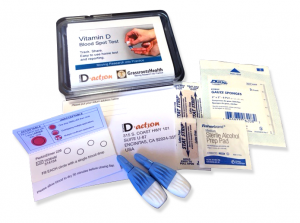
Measuring and calculating a supplementation amount to help reach and maintain a target level, or taking loading doses to correct deficiency faster, could possibly make all the difference in overall health, wellbeing, and how a current disease situation progresses. Test your level now!
Create your custom home blood spot kit by adding any of the following measurements, along with your vitamin D:
- Omega-3 Index (with or without Ratios AA:EPA and Omega-6:Omega-3)
- Magnesium (with additional Elements copper, zinc, selenium, mercury, and cadmium)
- hsCRP as a marker of inflammation and HbA1c as a marker of blood sugar health
Having and maintaining healthy vitamin D levels and other nutrient levels can help improve your health, now and for the future. Enroll and test your levels today, learn what steps to take to improve your status of vitamin D (see below) and other nutrients and blood markers, and take action! By enrolling in the GrassrootsHealth projects, you are not only contributing valuable information to everyone, you are also gaining knowledge about how you could improve your own health through measuring and tracking your nutrient status, and educating yourself on how to improve it.
How Can You Use this Information for YOUR Health?
Having and maintaining healthy vitamin D and other nutrient levels can help improve your health now and for your future. Measuring is the only way to make sure you are getting enough!
STEP 1 Order your at-home blood spot test kit to measure vitamin D and other nutrients of concern to you, such as omega-3s, magnesium, essential and toxic elements (zinc, copper, selenium, lead, cadmium, mercury); include hsCRP as a marker of inflammation or HbA1c for blood sugar health
STEP 2 Answer the online questionnaire as part of the GrassrootsHealth study
STEP 3 Using our educational materials and tools (such as our dose calculators), assess your results to determine if you are in your desired target range or if actions should be taken to get there
STEP 4 After 3-6 months of implementing your changes, re-test to see if you have achieved your target level(s)