

Published on March 9, 2026
New study finds nearly two thirds of collegiate athletes low on vitamin D, with a 13% increased risk of injury for every 5 ng/ml decrease in vitamin D level
Key Points
- Vitamin D insufficiency and deficiency were highly prevalent, affecting nearly two-thirds of collegiate athletes.
- Lower vitamin D levels were associated with increased injury risk, with a 13% increase in injury odds for every 5 ng/ml decrease in vitamin D.
- Vitamin D levels were not strongly associated with athletic performance or recovery time.
- Screening and correcting vitamin D deficiency may be a simple, low-cost strategy that could potentially help reduce injury risk in athletes.

Research has suggested that low vitamin D levels may contribute to muscle weakness, increased inflammation, and higher risk of fractures or muscle injuries – factors that are especially relevant for athletes engaged in high-intensity physical activity.
A new study by Frank et al. examined whether vitamin D status influences the risk of musculoskeletal injuries among collegiate athletes. The findings highlight a concerning trend: many athletes have inadequate vitamin D levels, and lower levels appear to be associated with a higher likelihood of injury.
Study Overview
The authors analyzed routinely collected data from 285 Division I collegiate athletes at the University of Wisconsin-Madison across 13 different sports. Vitamin D levels were measured during preseason physical exams and throughout the academic year. Injury data, performance testing, and body composition measurements were also collected.
Athletes were grouped according to their vitamin D levels: Deficient (≤ 20 ng/ml), Insufficient (21–31 ng/ml), or Normal (≥ 32 ng/ml). These cut-off points were then used to compare injury risk and athletic performance across groups.
Vitamin D Insufficiency Was Widespread Among Athletes
Despite their high levels of physical fitness, vitamin D inadequacy was extremely common. Among the athletes studied:
- 47.2% were vitamin D insufficient
- 17.6% were vitamin D deficient
- Only 35.2% had normal vitamin D levels
In total, nearly two-thirds of athletes (64.8%) had suboptimal vitamin D levels at some point during the study period.
Lower Vitamin D Levels Were Associated with Higher Injury Risk
During the study period, researchers recorded 148 musculoskeletal injuries across the athletes. When the data were analyzed, a clear trend emerged:
- Athletes who experienced injuries had lower average vitamin D levels (30.8 ng/ml) compared with those who remained injury-free (32.6 ng/ml).
- For every 5 ng/ml decrease in vitamin D levels, the odds of injury increased by about 13%.
This finding suggests that vitamin D status may influence injury susceptibility, even within relatively narrow ranges of vitamin D levels.
Interestingly, the study also found that analyzing vitamin D as a continuous variable (rather than strict categories) better captured the relationship between vitamin D and injury risk. In other words, injury risk appeared to increase gradually as vitamin D levels declined.
What About Athletic Performance?
The authors also looked at several measures of athletic performance, including:
- Jump height
- Peak force during jumps
- Peak power
- Balance testing
Although small statistical associations were observed, the changes were extremely small, such as a 0.5 cm change in jump height for each 5 ng/ml change in vitamin D level—and were considered clinically insignificant. In short, the study did not find meaningful evidence that vitamin D levels significantly influence athletic performance.
This study adds to growing evidence that vitamin D status may play a role in musculoskeletal health among athletes. Given how common vitamin D insufficiency is, even among highly trained athletes, monitoring and optimizing vitamin D levels may be an important part of sports medicine and athlete health programs.
Measure Your Vitamin D and Other Important Nutrients
If you haven’t had your vitamin D levels checked recently, now is the time! With so many Americans still falling short, awareness is the first step toward change.
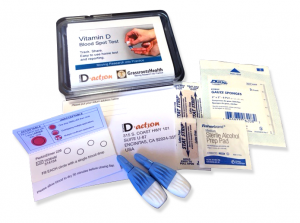
Measuring and calculating a supplementation amount to help reach and maintain a target level, or taking loading doses to correct deficiency faster, could possibly make all the difference in overall health, wellbeing, and how a current disease situation progresses. Test your level now!
Create your custom home blood spot kit by adding any of the following measurements, along with your vitamin D:
- Omega-3 Index (with or without Ratios AA:EPA and Omega-6:Omega-3)
- Magnesium (with additional Elements copper, zinc, selenium, mercury, and cadmium)
- hsCRP as a marker of inflammation and HbA1c as a marker of blood sugar health
Having and maintaining healthy vitamin D levels and other nutrient levels can help improve your health, now and for the future. Enroll and test your levels today, learn what steps to take to improve your status of vitamin D (see below) and other nutrients and blood markers, and take action! By enrolling in the GrassrootsHealth projects, you are not only contributing valuable information to everyone, you are also gaining knowledge about how you could improve your own health through measuring and tracking your nutrient status, and educating yourself on how to improve it.
How Can You Use this Information for YOUR Health?
Having and maintaining healthy vitamin D and other nutrient levels can help improve your health now and for your future. Measuring is the only way to make sure you are getting enough!
STEP 1 Order your at-home blood spot test kit to measure vitamin D and other nutrients of concern to you, such as omega-3s, magnesium, essential and toxic elements (zinc, copper, selenium, lead, cadmium, mercury); include hsCRP as a marker of inflammation or HbA1c for blood sugar health
STEP 2 Answer the online questionnaire as part of the GrassrootsHealth study
STEP 3 Using our educational materials and tools (such as our dose calculators), assess your results to determine if you are in your desired target range or if actions should be taken to get there
STEP 4 After 3-6 months of implementing your changes, re-test to see if you have achieved your target level(s)