
Published on August 25, 2025

A growing body of evidence indicates vitamin D is a powerful, low-risk solution for preventing many diseases during pregnancy
Key Points
- Low vitamin D levels during pregnancy have consistently been related to a higher risk of preeclampsia, miscarriage, preterm birth, gestational diabetes, cesarean section, postpartum depression, and hemorrhage.
- Women should aim for a vitamin D level between 40–60 ng/ml prior to pregnancy or as early in pregnancy as possible for optimal protection
- Measuring vitamin D levels is the only way to ensure sufficiency – which can then lead to a safer pregnancy, healthier baby, and smoother recovery

Vitamin D deficiency is one of the most preventable and overlooked public health crises affecting mothers and babies. Despite a mountain of scientific evidence and decades of research, this critical issue and its health consequences have been ignored in maternal health care standards.
Vitamin D is more than just a vitamin. During pregnancy, the body undergoes a unique transformation in vitamin D metabolism so that by the 12th week, levels of activated vitamin D in a pregnant woman’s blood reach levels that would be toxic or even fatal to a non-pregnant individual. This transformation is essential for a healthy pregnancy but is only optimized if a woman has sufficient vitamin D levels.
The following are several of the prenatal complications that research shows can be reduced by having proper levels of vitamin D during pregnancy.
Preeclampsia – A Dangerous Rise in Blood Pressure
What it is: Preeclampsia is a life threatening condition marked by dangerously high blood pressure during pregnancy. It often requires early delivery and can put both mom and baby at risk.
The Vitamin D Connection:
- Women with vitamin D levels below 15 ng/mL are 5x more likely to develop preeclampsia. (Mulligan et al, 2013)
- Supplementing with vitamin D may reduce this risk by up to 45%. (Morales-Suárez-Varela et al, 2022)
The 2024 edition of Feldman and Pike’s Vitamin D (considered the authoritative resource on the topic) states, “Entering pregnancy with a circulating 25(OH)D level of at least 40 ng/ml, imparts perfect protection against the development of preeclampsia.”
Why it matters: Vitamin D sufficiency may help protect your heart, your baby, and your birth plan.
Miscarriage – The Silent Heartbreak
What it is: Miscarriage (pregnancy loss before 20 weeks) affects 10–20% of known pregnancies, with most occurring in the first 8 weeks.
The Vitamin D Connection:
Vitamin D deficiency is significantly associated with increased miscarriage risk.
- Women who were vitamin D deficient at the beginning of pregnancy had a 94% significantly increased risk of miscarriage compared to those who were sufficient (Tamblyn et al., 2022)
- Pregnant women who were vitamin D deficient were 4 times more likely to have recurrent spontaneous abortion (Chen et al., 2022)
Hopeful Note: Studies show that women with optimal vitamin D levels prior to pregnancy get pregnant faster and have lower miscarriage rates, making it important to address before conception.
Born Too Soon – The ONGOING Crisis of Preterm Birth
What it is: Birth that occurs before 37 weeks of pregnancy. Preterm birth can lead to serious short- and long-term health challenges for the baby.
The Vitamin D Connection:
Vitamin D deficiency is significantly associated with increased risk of preterm birth.
- Women with vitamin D levels at or above 40 ng/ml had a 62% lower risk of preterm birth compared to women with levels less than 20 ng/ml. (McDonnell et al., 2017)
- For every 10 ng/mL increase in vitamin D levels there is a potential 28% reduction in preterm birth risk (Wagner et al., 2013)
Hopeful Note: Women who reach healthy vitamin D levels before or during pregnancy are more likely to carry their baby to term. By taking steps toward sufficiency, mothers can give their babies the best chance at a full, healthy beginning, and the promise of thriving, not just surviving.
Gestational Diabetes – Sugar Levels Out of Control
What it is: Gestational diabetes occurs when the body struggles to regulate blood sugar during pregnancy, increasing the risk of complications for both mom and baby.
The Vitamin D Connection:
- Women with low vitamin D have a 49% higher risk of developing gestational diabetes. (Morales-Suárez-Varela et al, 2022)
Why it matters: Vitamin D helps regulate insulin sensitivity and inflammation—two critical factors for blood sugar control during pregnancy
Vitamin D and Medically Necessary Cesarean Delivery
What it is: A cesarean section (C-section) is a surgical delivery method used when vaginal birth poses risks to the mother or newborn. C-sections account for nearly 32% of all deliveries in the U.S. and are associated with higher maternal morbidity.
The Vitamin D Connection:
A study done in Boston (Merewood et al., 2009) showed
- Women with vitamin D levels below 15 ng/ml were nearly twice as likely to have a medically necessary, primary C-section compared to those with higher levels (28% vs. 14%)
- Women who had C-sections averaged 18 ng/ml, versus 25 ng/ml in those delivering vaginally
Why it matters: Vitamin D supports skeletal and smooth muscle function—critical for effective labor and pelvic dynamics—potentially reducing the risk of surgical delivery.
A Gentler Birth – How Vitamin D Influences Labor Pain
What it is: Labor pain intensity is commonly measured using the Visual Analog Scale (VAS) a numerical scale where higher scores indicate greater pain during different labor stages and postpartum recovery.
The Vitamin D Connection:
A study enrolling 127 term-pregnant women (2–3 cm dilation at labor onset) found that higher vitamin D levels at the beginning of labor were linked to
- Lower pain scores in early and mid-labor
- Lower levels of postpartum pelvic pain
- Lower pain scores during late labor (8–10 cm dilation), however, this association was weaker
(Koyucu & Özcan, 2021)
Why it matters: Vitamin D supports muscle function, coordination, inflammation control, and tissue repair, all crucial during contractions and the birthing process. Efficient muscle activity may reduce perceived pain and promote more comfortable labor progression.
Protecting Moms from Postpartum Hemorrhage
What it is: Postpartum hemorrhage (PPH) is excessive bleeding after childbirth and is one of the leading causes of maternal death and complications worldwide.
The Vitamin D Connection:
- Pregnant women with vitamin D levels below 30 ng/mL had a 4–5 times higher risk of developing PPH compared to those with vitamin D levels of 30 ng/ml or higher (Li et al., 2022)
Why it matters: Vitamin D supports muscle contraction, blood clotting, and inflammation control—critical for effective uterine function and reducing postpartum bleeding.
Postpartum Depression – A Key Factor in Maternal Mortality
What it is: Postpartum Depression (PPD) is a serious and often overlooked condition, affecting between 10 and 20 percent of new mothers worldwide. It can impair bonding, disrupt breastfeeding, and negatively influence a child’s emotional and cognitive development. It is also a leading cause of maternal mortality.
The Vitamin D Connection:
- Lower vitamin D levels during pregnancy were linked to 2–4 times higher risk of PPD in several prospective cohorts. (Yuan et al., 2024)
- Women with vitamin D levels below 20 ng/ml were 3.3 times more likely to develop PPD, yet
- 53.3% of depressed women had vitamin D below 20 ng/ml compared to 31.7% in controls (Apostolidou et al., 2025)
Why it matters: Vitamin D influences serotonin production, reduces inflammation, and helps regulate stress hormones—mechanisms directly tied to mood regulation.
How Else Can Low Vitamin D Levels Affect Prenatal and Child Health?
Other Reproductive Diseases associated with low vitamin D include:
- Inflammatory diseases in pregnancy
- Complications and diseases in the newborn, including rickets, impaired motor development, asthma risk, risk of Type 1 Diabetes, and even childhood cavities
- Mastitis
- Polycystic ovarian syndrome
- Fibroids and endometriosis
- Bacterial vaginosis
Why Most Pregnant Women Aren’t Getting Enough Vitamin D
Current vitamin D guidelines are grossly outdated, and few prenatal providers are aware of the issue.
Standard prenatal vitamins typically contain only 400-800 IU of vitamin D, which is inadequate to maintain optimal levels.
A vast majority of pregnant women are left with insufficient levels:
- 89% have vitamin D levels below 40 ng/ml
- Almost one-third have vitamin D levels less than 20 ng/ml
- Black women have a much higher risk of deficiency, up to 15-20 times greater
What You Can Do Today
Empower Your Pregnancy with Sufficient Vitamin D:
- Test your vitamin D level early—ideally prior to pregnancy or in the first trimester
- Maintain levels between 40–60 ng/ml (100-150 nmol/L) which have been shown to be optimal during pregnancy
Pregnancy comes with enough surprises. Make vitamin D one less thing to worry about. Measure your vitamin D level today, through your doctor or at home with grassrootshealth.net/test.
Protect your health. Protect your baby. Start with one simple test.
GrassrootsHealth is advocating for improved maternal and infant health by promoting updated vitamin D guidelines during pregnancy. Research shows that maintaining a serum level of 40 ng/mL or higher can significantly reduce risks like preterm birth and preeclampsia, yet the majority of pregnant women fall below this threshold.
To address this, the organization is seeking $50,000 by August 31, 2025, to support policy efforts in Washington, D.C., aiming to integrate vitamin D testing and supplementation into standard prenatal care.
Measure Your Vitamin D Level
If you haven’t had your vitamin D levels checked recently, now is the time! With so many Americans still falling short, awareness is the first step toward change.
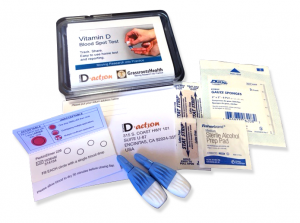
Measuring your vitamin D level and calculating a supplementation amount to help reach and maintain a target level, or taking loading doses to correct deficiency faster, could possibly make all the difference in overall health, wellbeing, and how a current disease situation progresses. Test your level now!
Create your custom home blood spot kit by adding any of the following measurements, along with your vitamin D:
- Omega-3 Index (with or without Ratios AA:EPA and Omega-6:Omega-3)
- Magnesium (with additional Elements copper, zinc, selenium, mercury, and cadmium)
- hsCRP as a marker of inflammation and HbA1c as a marker of blood sugar health
Having and maintaining healthy vitamin D levels and other nutrient levels can help improve your health, now and for the future. Enroll and test your levels today, learn what steps to take to improve your status of vitamin D (see below) and other nutrients and blood markers, and take action! By enrolling in the GrassrootsHealth projects, you are not only contributing valuable information to everyone, you are also gaining knowledge about how you could improve your own health through measuring and tracking your nutrient status, and educating yourself on how to improve it.
How Can You Use this Information for YOUR Health?
Having and maintaining healthy vitamin D and other nutrient levels can help improve your health now and for your future. Measuring is the only way to make sure you are getting enough!
STEP 1 Order your at-home blood spot test kit to measure vitamin D and other nutrients of concern to you, such as omega-3s, magnesium, essential and toxic elements (zinc, copper, selenium, lead, cadmium, mercury); include hsCRP as a marker of inflammation or HbA1c for blood sugar health
STEP 2 Answer the online questionnaire as part of the GrassrootsHealth study
STEP 3 Using our educational materials and tools (such as our dose calculators), assess your results to determine if you are in your desired target range or if actions should be taken to get there
STEP 4 After 3-6 months of implementing your changes, re-test to see if you have achieved your target level(s)