

Published on July 9, 2025
Summarizing the most relevant new research on vitamin D, omega-3s, sunshine and more to keep you informed with evidence-based insights.
Key Points
- 60 men with bipolar disorder took part in an 8-week trial
- They received 2g/day of omega-3 (EPA + DHA) or a placebo
- BDNF levels increased from 0.45 to 0.76 ng/mL.
- Depression scores dropped from 40.13 to 22.40
- Placebo group only dropped to 29.35
- Omega-3 reduced depression and improved brain health with no side effects
Previous research has identified omega-3 fatty acids—particularly EPA and DHA—as some of the most effective nutritional supplements for improving depression symptoms. For example, a large-scale review concluded that omega-3s ranked highest among nutritional interventions for major depression. (Read summary)
A new randomized, double-blind, placebo-controlled clinical trial by Gholipour et al. (2025) further supports these findings by investigating the effects of omega-3 fatty acid supplementation on serum brain-derived neurotrophic factor (BDNF) levels and depressive symptoms in male patients with bipolar disorder. Sixty adult male participants diagnosed with bipolar disorder were randomly assigned to receive either 2 grams per day of omega-3 fatty acids (including EPA and DHA) or a placebo for 8 weeks.
The primary outcomes measured were serum BDNF concentrations and scores on the Hamilton Depression Rating Scale (HDRS). At the end of the intervention period, the group receiving omega-3 supplementation showed a statistically significant increase in BDNF levels—from a baseline average of 0.45 ng/mL to 0.76 ng/mL—compared to the placebo group. Moreover, a significant reduction in depressive symptoms was observed in the omega-3 group, with HDRS scores decreasing from a baseline of 40.13 to 22.40, versus 29.35 in the placebo group.
The results suggest that omega-3 fatty acid supplementation may enhance neuroplasticity (as indicated by increased BDNF levels) and alleviate depressive symptoms in individuals with bipolar disorder. No significant adverse effects or changes in manic symptoms were reported, indicating the intervention was well-tolerated and mood-stabilizing. Read the full abstract
Key Takeaway
In male patients with bipolar disorder, daily supplementation with 2 grams of omega-3 fatty acids over an 8-week period significantly improved depressive symptoms and increased serum BDNF levels, suggesting potential benefits for mood regulation and neuroplasticity. Want more? Visit this Blog
Measure Your Levels Today
 Create your custom home blood spot kit to help determine if you are getting enough of the following nutrients shown to benefit overall health, along with other measures, including:
 Vitamin D
- Omega-3 Index plus Omega-3:Omega-6 and AA:EPA Ratios
- Magnesium (plus Zinc, Copper, Selenium, Lead, Cadmium & Mercury)
- hsCRP
- HbA1c
- Type 1 Diabetes Autoantibodies
- TSH
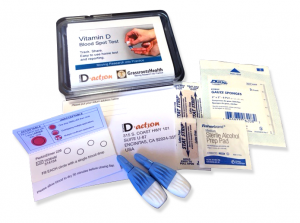 Vitamin D
Enroll and test your levels today, learn what steps to take to improve your status of omega-3s, vitamin D and other nutrients and blood markers, and take action! By enrolling in the GrassrootsHealth projects, you are not only contributing valuable information to everyone, you are also gaining knowledge about how you could improve your own health through measuring and tracking your nutrient status, and educating yourself on how to improve it. Enroll in D*action and Test Your Levels Today!
How Can You Use this Information for YOUR Health?
Having and maintaining healthy vitamin D and other nutrient levels can help improve your health now and for your future. Measuring is the only way to make sure you are getting enough!
STEP 1 Order your at-home blood spot test kit to measure vitamin D and other nutrients of concern to you, such as omega-3s, magnesium, essential and toxic elements (zinc, copper, selenium, lead, cadmium, mercury); include hsCRP as a marker of inflammation or HbA1c for blood sugar health
STEP 2 Answer the online questionnaire as part of the GrassrootsHealth study
STEP 3 Using our educational materials and tools (such as our dose calculators), assess your results to determine if you are in your desired target range or if actions should be taken to get there
STEP 4 After 3-6 months of implementing your changes, re-test to see if you have achieved your target level(s)